Dog Treats Buying Guide: What You Need to Know
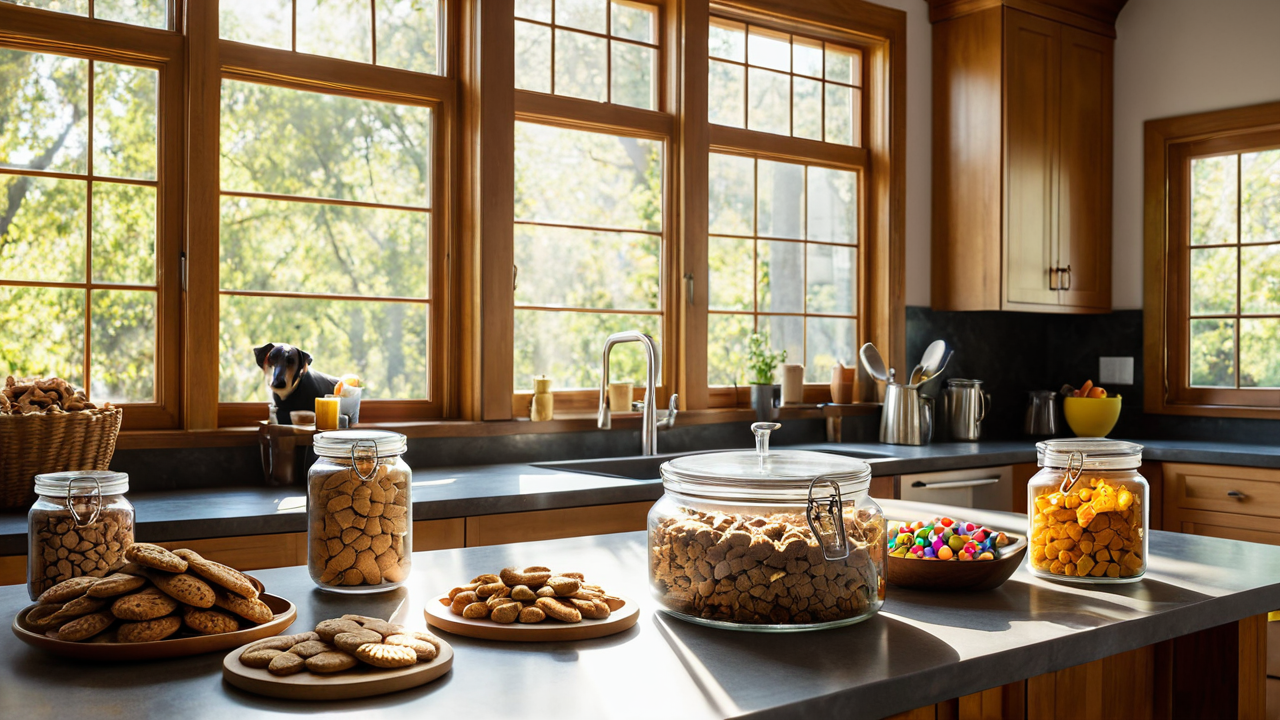
The Ultimate Dog Treats Buying Guide: How to Choose Tasty, Healthy Rewards for Your Pup
Introduction: More Than Just a Snack
Dog treats are a cornerstone of the human-canine bond.
They’re the currency of training, the tool for positive reinforcement, and a simple, loving way to say, “You’re a good dog!” But with shelves and web pages overflowing with options, choosing the right treat can feel overwhelming.
Picking the wrong one can lead to an upset stomach, unwanted weight gain, or even a health risk.
This comprehensive guide is designed to cut through the confusion.
We’ll walk you through everything you need to know to make an informed, safe, and tail-waggingly good choice for your furry friend.
From understanding ingredient lists to matching treats to specific needs, consider this your one-stop resource for becoming a savvy dog treat shopper.
Why the Right Treat Matters: Health, Happiness, and Training
Treats are powerful tools. Used wisely, they can: * Accelerate Training: High-value treats are irresistible motivators for teaching new commands or behaviors. * Promote Dental Health: Certain chews are designed to reduce plaque and tartar buildup. * Provide Mental Stimulation: Long-lasting chews and puzzle toys with treats can alleviate boredom. * Strengthen Your Bond: The act of giving a treat is a positive interaction that deepens your connection. * Support Specific Needs: From hiding pills to supplementing a diet with single-ingredient proteins, specialized treats solve common problems.
However, treats should never constitute more than 10% of your dog’s daily caloric intake. Always think of them as supplements to a balanced, complete diet.
---
Your Step-by-Step Dog Treat Selection Checklist
Follow this actionable checklist every time you shop for a new treat.
Step 1: Consider Your Dog’s Unique Profile
* Size & Breed: A treat for a Chihuahua is not the same as one for a Great Dane. Size-appropriate treats prevent choking hazards and ensure proper chewing. Small dogs need tiny, soft training bites, while large breeds need durable, sizable chews. * Age: Puppies have sensitive teeth and developing digestive systems, so opt for soft, easily digestible puppy-formulated treats. Senior dogs may have dental issues or lower calorie needs, requiring softer textures and joint-supporting ingredients. * Dietary Needs & Allergies: Is your dog grain-free, on a limited ingredient diet, or allergic to chicken? Always read the ingredient list first. Common allergens include beef, dairy, wheat, chicken, and soy. * Activity Level: A couch-potato pup doesn’t need high-calorie, protein-dense treats, while an active working dog might benefit from them.Step 2: Define the Treat’s Purpose
What is the job of this treat? * High-Value Training: Needs to be small (pea-sized), soft, smelly, and irresistible. Used for learning new, difficult commands. * Everyday Reward: Moderately appealing, healthy, and lower-calorie. For reinforcing known good behavior. * Dental Care: Has a specific texture (like ridges or a porous structure) to scrub teeth and often contains ingredients like sodium hexametaphosphate to fight tartar. * Long-Lasting Chew: Designed for extended chewing enjoyment (15+ minutes) to satisfy natural urges and promote mental well-being. * Functional/Supplemental: Addresses a specific need, like hiding medication or providing a raw food supplement.
Step 3: Decode the Ingredient Label
Be a label detective. Ingredients are listed by weight. * Look For: Whole, identifiable ingredients at the top of the list (e.g., “chicken breast,” “beef liver,” “sweet potato,” “brown rice”). Named protein sources are best. * Be Wary Of: Excessive use of vague terms like “meat by-products,” “animal digest,” or artificial preservatives (BHA, BHT, Ethoxyquin). High levels of sugar, corn syrup, or salt are also red flags. * Understand Claims: “Natural” has a loose definition. “Grain-Free” is not inherently healthier unless your dog has a grain allergy. “Organic” and “Human-Grade” are more regulated and indicate higher sourcing standards.
Step 4: Assess Texture, Size, and Safety
* Texture: Hard biscuits can be good for dental health but may not suit older dogs. Jerky should be pliable and tear easily. Chews like rawhide alternatives should be digestible and monitored. * Size: Follow package guidelines. When in doubt, err on the side of larger to prevent gulping. * Safety: Always supervise your dog with any chew or treat. Discard small pieces that become choking hazards. Introduce new treats slowly to monitor for digestive upset.---
Top Picks: Curated Treats for Every Purpose
Based on the criteria above, here are our top recommendations for specific needs, featuring high-quality, highly-rated products.
Best for Hiding Medication: Greenies Pill Pockets
Administering pills can be a battle of wills. These ingenious treats turn it into a reward. * Why We Recommend It: The soft, malleable peanut butter flavor pouch completely encapsulates pills, masking taste and smell. Dogs love them, making medication time stress-free. The large size is perfect for bigger pills or dogs over 40 lbs. * Key Specs: Soft texture, peanut butter flavor, 15.8 oz pouch. * Price & Rating: $17.98 | 4.7 out of 5 stars * Shop Greenies Pill Pockets for Dogs, Large, Peanut Butter
Best Long-Lasting Chew: Pur Luv Chicken Jerky
For a satisfying, chewy experience that keeps your dog engaged, a high-quality jerky is ideal. * Why We Recommend It: Made with 100% real chicken breast with no added hormones or antibiotics, this is a pure, simple protein treat. It’s easily digestible, high in protein, and its tough-but-tearable texture satisfies a dog’s natural urge to chew for an extended period. * Key Specs: Single ingredient (chicken breast), 16 ounces, high protein. * Price & Rating: $14.94 | 4.6 out of 5 stars * Shop Pur Luv Chicken Jerky Dog Treats
Best Value Everyday Biscuit: Milk-Bone Original
A classic for a reason, these are perfect for daily rewards and basic training reinforcement. * Why We Recommend It: This is an economical, trusted choice for households with medium to large dogs. The crunchy texture helps clean teeth, and the simple, familiar formula is generally well-tolerated. The 10-pound box offers incredible value for frequent treat-givers. * Key Specs: Crunchy biscuit, designed for medium dogs, 10 lb bulk box. * Price & Rating: $13.62 | 4.8 out of 5 stars * Shop Milk-Bone Original Dog Treats for Medium DogsBest High-Value Training Treat: Vital Essentials Beef Liver
When you need your dog’s absolute focus, a smelly, freeze-dried raw treat is the ultimate motivator. * Why We Recommend It: This is pure, freeze-dried beef liver—a single ingredient, packed with flavor and protein that dogs go wild for. The small, easy-to-break pieces are perfect for repetitive training without overfeeding. It’s grain-free, gluten-free, and contains no fillers. * Key Specs: Freeze-dried raw, single ingredient (beef liver), 2.1 oz, high-protein. * Price & Rating: $5.99 | 4.5 out of 5 stars * Shop Vital Essentials Freeze-Dried Beef Liver Dog Treats
Best for Dental Care: Pedigree Dentastix
Specifically engineered to support oral hygiene, these treats are a proactive part of dental care. * Why We Recommend It: The unique X-shape and textured surface are designed to clean down to the gumline, reducing plaque and tartar buildup. They are clinically proven to be effective and are a tasty way to promote dental health between brushings. The large breed size ensures proper chewing time. * Key Specs: Dental chew shape, fresh flavor, 1.87 lb bag (36 treats), for large breeds. * Price & Rating: $14.89 | 4.8 out of 5 stars * Shop Pedigree Dentastix Large Breed Dog Treats
---
Treat Types Deep Dive: From Biscuits to Functional Chews
Crunchy Biscuits & Cookies
* Best For: Everyday rewards, light dental scraping, dogs who enjoy a crunch. * What to Look For: Whole grains or grain-free alternatives like chickpea flour, named meat meals or proteins, added vitamins. * Example: Milk-Bone Original Biscuits.Soft & Chewy Treats
* Best For: Training, older dogs, puppies, hiding pills. * What to Look For: Moist, pliable texture, limited artificial preservatives, high meat content. * Example: Greenies Pill Pockets.Jerky & Meat Strips
* Best For: High-reward training, long-lasting enjoyment, protein supplementation. * Safety Note: Source from reputable brands (like Pur Luv) to avoid risks associated with some imported jerky. Look for “Made in the USA” and simple ingredient lists.Dental Chews
* Best For: Reducing plaque and tartar, satisfying chew drive. * How They Work: Through mechanical abrasion and sometimes added anti-tartar ingredients. * Important: Choose the correct size for your dog and always supervise. They are treats, not toothbrushes. * Example: Pedigree Dentastix.Raw & Freeze-Dried Treats
* Best For: Dogs on raw diets, ultra-high-value training, limited-ingredient diets. * Benefits: Minimally processed, retain natural nutrients and flavors, often single-ingredient. * Example: Vital Essentials Beef Liver.Specialty Functional Treats
* Includes: Hip & joint treats (with glucosamine), calming treats (with L-Theanine, chamomile), skin & coat treats (with Omega fatty acids). * Use Wisely: Consult your vet before using treats for therapeutic purposes to ensure they are appropriate and won’t interact with other treatments.---
Frequently Asked Questions (FAQ)
Q1: How many treats can I give my dog per day? A: The 10% rule is the gold standard. Treats should not make up more than 10% of your dog’s total daily calories. Check your dog food bag for calorie content per cup, calculate your dog’s daily need (your vet can help), and then do the math. For small dogs, this may mean just 1-2 small treats; for larger dogs, a few more. Always adjust meal portions if you’ve given a lot of treats.
Q2: My dog has a food allergy. What should I look for? A: Become an expert label reader. If your dog is allergic to chicken, avoid all treats with chicken, chicken meal, or chicken fat. Look for limited-ingredient treats with a novel protein (like duck, salmon, or kangaroo) or a single-ingredient treat (like pure freeze-dried liver). Always introduce any new treat slowly and watch for reactions like itching, ear infections, or digestive upset.
Q3: Are grain-free treats safer or healthier? A: Not necessarily. Grain-free diets became popular due to concerns about allergies, but true grain allergies in dogs are relatively rare. The FDA has investigated a potential link between certain grain-free diets and canine heart disease (DCM). Unless your veterinarian has diagnosed a grain allergy, grains like oats, barley, and brown rice can be healthy, digestible carbohydrate sources. Focus on overall ingredient quality rather than just the “grain-free” marketing.
Q4: What are the safest chew treats for aggressive chewers? A: Safety depends on your dog’s chewing style. For power chewers, avoid very hard materials like antlers or hard nylon bones that can crack teeth. Look for durable rubber toys (like Kongs) that can be stuffed with treats, or long-lasting chews made from digestible materials like rolled beef skin or fish skin. Always supervise and take away the chew once it becomes small enough to swallow whole.
Q5: Can I give my dog human food as treats? A: Some human foods are safe in moderation, but many are dangerous. Safe options include small pieces of apple (no seeds), banana, blueberries, cooked plain pumpkin, plain cooked chicken, or carrot sticks. Never give: chocolate, grapes/raisins, onions, garlic, xylitol (a sweetener), or anything overly fatty or salty. When in doubt, stick to dog-formulated treats.
Q6: How do I store dog treats to keep them fresh? A: Follow package instructions. Resealable bags should be closed tightly. Biscuits and dry treats should be kept in a cool, dry place in their original container or an airtight bin. Refrigerate or freeze soft, moist, or raw treats after opening, and use them within the recommended timeframe. Always check for mold or an off smell before giving a treat.
---
Final Thoughts: Treat with Love and Knowledge
Choosing the right dog treat is an act of care.
By considering your dog as an individual, understanding the purpose of the treat, and reading labels with a critical eye, you can turn treat time into a healthy, happy, and bonding experience.
The products highlighted in this guide are excellent starting points for specific needs, from pill administration with Greenies Pill Pockets to dental care with Pedigree Dentastix.
Remember, the best treat is one that brings joy to your pup while supporting their overall well-being.
When you’re informed, you can spoil them sensibly—and there’s nothing better than seeing that grateful, tail-wagging response to a treat chosen just for them.
Disclaimer: This article is for informational purposes only and is not a substitute for professional veterinary advice. Always consult with your veterinarian regarding your dog’s specific dietary needs and health conditions.