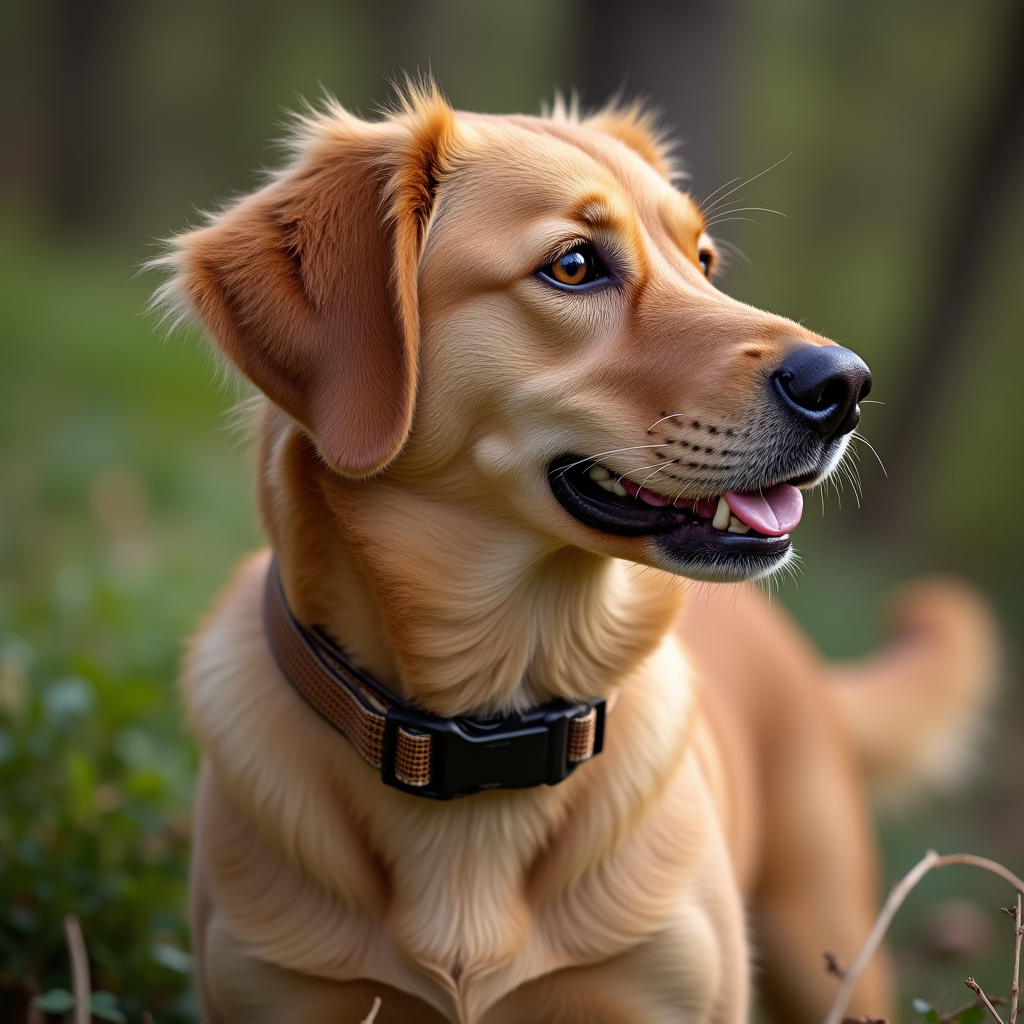
Are Dog Toys Safe? Benefits & Risks Explained

Are Dog Toys Safe? Your Complete Guide to Choosing the Right Playthings
Every tail wag, happy bark, and focused chew is a sign of a dog engaged in play.
Toys are more than just fun; they are essential tools for mental stimulation, physical exercise, and emotional well-being.
But as a responsible pet owner, a critical question lingers: are dog toys safe?
The answer is both yes and no.
The market is flooded with options, from plush squeakers to hard rubber rings, and safety isn't a one-size-fits-all guarantee. A toy's safety depends on its design, material, your dog's size, breed, and chewing style, and, most importantly, your supervision.
This comprehensive guide will walk you through everything you need to know to become an expert in canine toy safety.
We'll cover how to assess risks, choose the right toy for your individual dog, spot danger signs, and introduce our top picks for durable and engaging play.
Why Toy Safety Isn't Just About Durability
When we think of unsafe toys, we often picture them being destroyed. While durability is a huge factor, safety is a multi-layered concept:
1. Material Safety: What is the toy made of? Are there toxic dyes, glues, or plastics? Is the material non-toxic if ingested in small amounts? 2. Design Safety: Are there small parts (like eyes, buttons, or squeakers) that can be chewed off and swallowed? Are there long strings or ribbons that pose a strangulation or intestinal blockage risk? 3. Usage Safety: Is the toy appropriate for your dog's chewing intensity? A light chewer might do fine with a soft toy, while a power chewer will destroy it in minutes, creating choking hazards. 4. Hygienic Safety: Can the toy be cleaned? Does it trap saliva and bacteria, becoming a germ factory?
Understanding these layers is the first step in making informed choices.
The Four Pillars of Dog Toy Safety
To systematically evaluate any toy, consider these four pillars.
1. Know Your Dog's Chew Personality
Vets and canine behaviorists agree that matching the toy to the dog is the most critical safety step. Categorize your dog:
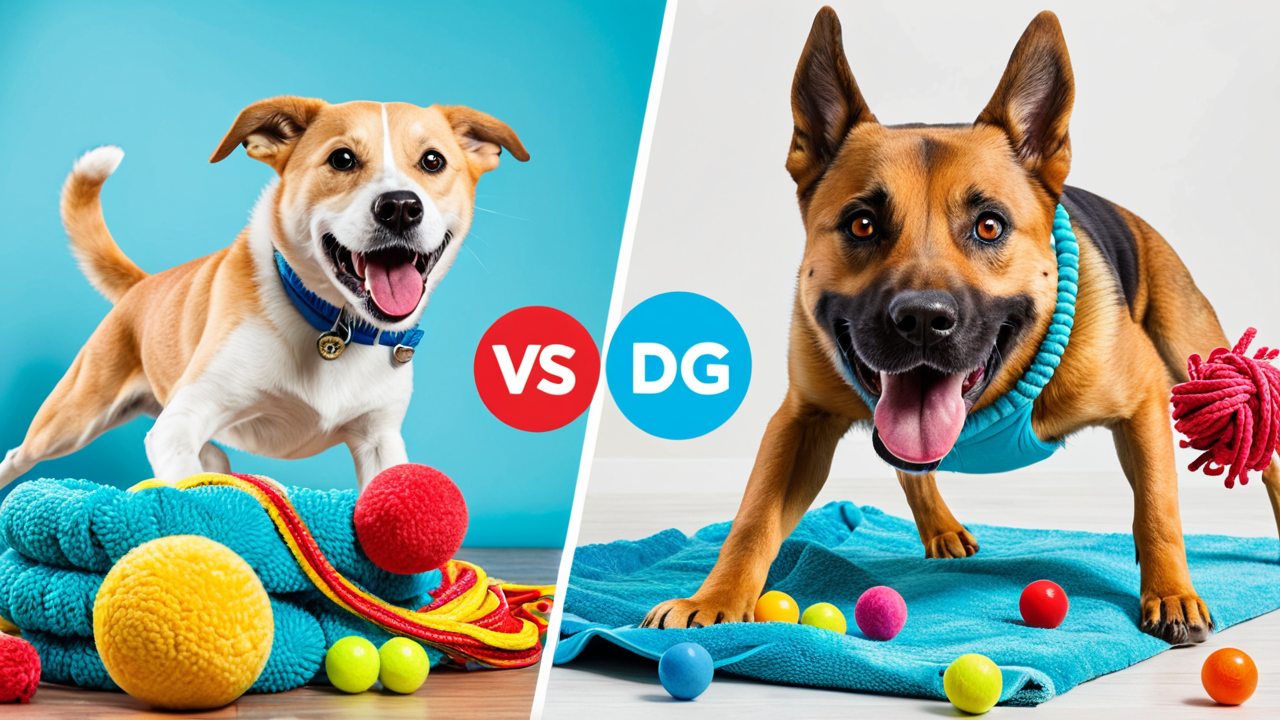
* The Gentle Gummer: Often smaller dogs or seniors who enjoy mouthing and carrying toys. They can handle soft plush, light rubber, and fabric toys. * The Moderate Chewer: The average dog who enjoys a good chew session but doesn't systematically destroy everything. Durable rubber, tough fabric, and some nylon bones are suitable. * The Power Chewer/Canine Crusher: Breeds like German Shepherds, Pit Bulls, or any dog with a strong jaw and a determined mindset. They need indestructible dog toys made from ultra-tough rubber, solid nylon, or reinforced materials. For these dogs, a toy's failure isn't an "if" but a "when," so you must choose products designed to withstand extreme force. * The Strategic Destuffer: Dogs who meticulously de-stuff plush toys to get to the squeaker. For them, choose "stuffing-less" plush toys or durable alternatives.
2. Inspect Materials and Construction
Before you buy, and regularly during use, inspect:
* Look for Reputable Brands: Established brands invest in safety testing and use higher-quality, often non-toxic materials. * Avoid Unknown Plastics and Rubbers: Cheap toys may use soft plastics that can break into sharp shards or contain harmful chemicals like phthalates or BPA. * Check for Secure Parts: Any attached part (eyes, ears, squeakers) should be tightly secured and ideally be part of the toy's molded design, not sewn or glued on. * Size Appropriately: A toy should be large enough that it cannot be swallowed whole. As a rule, it should be bigger than your dog's muzzle.
3. Supervise, Supervise, Supervise
This is the most actionable advice you can follow. No toy is 100% indestructible under the right (or wrong) conditions. Always supervise your dog with a new toy until you understand how they interact with it.
Even with trusted toys, periodic checks are essential.
Supervision allows you to: * Intervene if the toy starts to break down. * Prevent resource guarding behavior. * Ensure play remains fun and not frustrating.
4. Practice Regular Maintenance and Rotation
* Inspect Daily: Before and after each play session, run your fingers over the toy. Look for punctures, tears, loose threads, or pieces that are being chewed off. * Clean Regularly: Dirt and saliva breed bacteria. Follow washing instructions—many rubber toys are dishwasher safe, while plush toys may need machine washing. * Rotate Toys: Having a basket of toys reduces boredom, but don't give all access at once. Rotating 2-3 toys weekly keeps them novel and exciting, which is a core benefit of interactive dog toys and puzzle toys. It also gives you a chance to thoroughly inspect the ones not in use.
Red Flags: When to Take a Toy Away Immediately
Even the best toy has a lifespan. Remove a toy immediately if you see: * Pieces breaking or flaking off. * The surface is punctured or cracked. * Stuffing or internal components (like squeakers or grunts) are exposed. * The toy has been chewed down to a size that could be swallowed. * Any part of the toy has become misshapen or poses a new risk (e.g., a sharp edge). * Your dog is consuming the material (e.g., eating fuzz from a tennis ball).
Top Picks: Safe, Durable, and Engaging Dog Toys
Based on the pillars of safety, durability, and mental engagement, here are our top recommendations. These categories address the key benefits of keeping your dog active and entertained.
For the Power Chewer: Indestructible Dog Toys
These are designed for the canine crushers who make mincemeat of standard toys. * KONG Extreme: The gold standard. Made from ultra-strong, black rubber, it's perfect for stuffing with treats and freezing. Its unpredictable bounce satisfies chase instincts. * GoughNuts: Uniquely safety-engineered. These toys have a red inner layer. If your dog chews down to the red, it's a visual signal to replace the toy, preventing accidental ingestion of broken pieces. * West Paw Zogoflex Tux: A durable, chew-resistant fetch toy that floats. Made in the USA from recyclable, non-toxic material, and many styles come with a one-time replacement guarantee.
For Mental Stimulation: Interactive & Puzzle Toys
These toys combat boredom and slow down fast eaters, promoting cognitive health. * Outward Hound Hide-A-Squirrel: A classic puzzle plush. Dogs must figure out how to remove the squeaky squirrels from the trunk. Great for gentle to moderate chewers. * Nina Ottosson by Outward Hound Dog Brick: A sliding-tile puzzle that challenges your dog to move pieces to reveal hidden treats. Excellent for building problem-solving skills. * KONG Wobbler: A weighted, treat-dispensing toy that moves erratically as your dog bats it around, turning mealtime into a engaging game.
For Active Play: Fetch Toys
Designed for durability and fun during retrieval games. * Chuckit! Ultra Ball: These bright orange balls are made of durable rubber that's easy on teeth and highly visible. They float and are easy to clean. * KONG Flyer: A more durable alternative to standard frisbees. Made of soft, flexible rubber that's gentle on a dog's mouth and teeth during catches. * West Paw Zogoflex Hurley: An incredibly durable, buoyant bone-shaped fetch toy. It's tough enough for strong chewers yet soft enough for a comfortable catch.
Special Considerations for Different Toy Types
* Plush/Squeaky Toys: Ideal for gentle chewers and comfort. Choose ones with reinforced stitching and without plastic parts. Monitor closely for destuffing. * Rubber & Nylon Chews: Great for dental health and satisfying chew urges. Ensure they are not too hard; vets warn that excessively hard chews (like antlers or some nylon bones) can lead to tooth fractures. * Rope Toys: Fantastic for dental flossing and tug-of-war. However, as they fray, they can ingest long strings, which are serious intestinal hazards. Cut off loose strands immediately and discard the toy when it becomes heavily frayed. * Tennis Balls: A common but often risky fetch toy. The abrasive felt can wear down tooth enamel, and dogs can compress the ball and choke on it. Use purpose-made dog fetch balls instead.
FAQ: Your Dog Toy Safety Questions Answered
Q1: How often should I replace my dog's toys?
There's no set timeline. Replace toys based on condition, not age. A tough rubber toy can last years with a gentle dog, while a plush toy might last an afternoon with a power chewer. Follow the "red flags" guide and inspect regularly.
Q2: Are homemade dog toys safe?
They can be, but caution is needed.
Old socks or towels can be knotted for tug toys, but ensure they are free of buttons, threads, or any toxic residues.
Never give cooked bones, which can splinter.
When in doubt, stick to professionally manufactured toys designed for canine use.
Q3: My dog swallows pieces of his toys. What should I do?
First, remove any toy that he can destroy.
Switch to larger, more durable options like the KONG Extreme.
If you suspect he has swallowed a significant piece, contact your vet immediately.
Signs of intestinal blockage include vomiting, lethargy, loss of appetite, and inability to defecate.
Q4: What are the safest toys for puppies?
Puppies need soft, gentle toys for teething. Look for specific puppy rubber toys (like a KONG Puppy) that are softer on developing teeth. Avoid anything too hard. Supervision is extra crucial as puppies explore the world with their mouths.
Q5: Are there any toys vets consistently recommend?
Yes.
Vets frequently recommend KONG-type toys (especially when stuffed and frozen to soothe teething or anxiety), durable rubber fetch balls, and specifically designed dental chews that carry the Veterinary Oral Health Council (VOHC) seal of approval for reducing plaque and tartar.
Q6: My dog loses interest in toys quickly. How can I make them safer and more engaging?
This is where interactive dog toys and rotation shine.
Use puzzle toys to make them "work" for treats.
Practice "Toy Trade" games to build value.
Most importantly, put toys away after play sessions. A toy that's always available becomes background noise, while a toy that appears for special, supervised playtime is an exciting event.
The Final Verdict: Safety is a Shared Responsibility
So, are dog toys safe?
They can be, when you are an active participant in your dog's play.
The safety of a dog toy is a partnership between responsible manufacturers who create well-designed products and informed, vigilant pet owners who match, monitor, and maintain those toys.
Investing in high-quality, appropriate toys from trusted brands is an investment in your dog's health and happiness.
By choosing wisely—opting for those indestructible dog toys for your heavy chewer or those stimulating puzzle toys for your clever pup—you provide an outlet for natural behaviors in a controlled, safe manner.
Remember, the goal is a tired, happy, and healthy dog.
With the knowledge from this guide, you can confidently fill your toy basket, knowing you’re providing not just fun, but a foundation for safe and enriching play.
Now, go enjoy that next game of fetch