Cat Litter vs Alternatives: Which is Better?

Cat Litter vs Alternatives: Which is Better?

Cat Litter vs. Alternatives: The Ultimate Guide to a Clean, Odor-Free Home

For every cat owner, the litter box is a non-negotiable part of life.

It’s also one of the most common sources of questions and, let's be honest, occasional frustration.

The quest for the perfect setup—one that controls odor, is easy to maintain, and keeps your feline friend happy—can feel endless.

The core of this quest lies in a fundamental choice: traditional cat litter vs. alternative systems.

This comprehensive guide will break down everything you need to know.

We’ll compare the pros and cons of various litter materials and innovative litter box alternatives, provide actionable advice for odor control, and help you make the best decision for your home and your cat’s well-being.

Because a happy litter box situation means a happier cat and a happier you.

Understanding Your Cat’s Needs: The Foundation of Choice

Before diving into products, remember that any litter solution must first satisfy your cat. Cats are fastidious creatures with strong instincts. They prefer: * Cleanliness: A consistently clean area. * Privacy: A quiet, low-traffic location. * Appropriate Depth: Usually 2-3 inches of litter. * Consistency: Sudden changes in substrate or box location can cause avoidance.

The best system in the world will fail if your cat rejects it. Always introduce changes gradually and monitor your cat’s behavior.

Part 1: The World of Traditional Cat Litter

Traditional litters are substrates placed in a box for your cat to eliminate in. They are categorized by material and function.

Types of Traditional Litter

| Type | Key Features | Pros | Cons | Best For | | :--- | :--- | :--- | :--- | :--- | | Clumping Clay | Forms solid clumps when wet for easy waste removal. | Excellent odor control (with baking soda/charcoal). Easy scooping. Very affordable. | Dusty. Heavy. Not biodegradable. Tracking. | Most cat owners; multi-cat households. | | Non-Clumping Clay | Absorbs moisture but doesn’t form tight clumps. | Very inexpensive. | Less odor control. Requires full box changes more often. Messier to clean. | Budget-conscious owners with single cats. | | Silica Gel Crystals | Made from porous silica that absorbs and locks away moisture. | Superb odor control.

Long-lasting (up to a month for one cat).

Low tracking.

Very low dust. | Can be expensive.

Some cats dislike the texture/ sound. | Owners seeking low-maintenance, high-odor control. | | Biodegradable Litters (Pine, Wheat, Corn, Paper) | Made from renewable, flushable (check brand!) materials. | Eco-friendly.

Low dust.

Often natural scent.

Clumping or non-clumping varieties. | Can be more expensive.

Some have unusual textures cats may reject.

Odor control varies. | Eco-conscious owners; cats with dust allergies. |

Key Benefit Focus: Odor Control

For top-rated odor control in traditional litters, look for: * Activated Charcoal or Baking Soda: Incorporated into clumping clay litters to neutralize ammonia smells. * Microporous Crystals: In silica gel litters, they trap moisture and odor inside the bead. * Natural Enzymes: In some biodegradable litters, they break down odor-causing bacteria.

The Traditional Litter Box: Evolution for Convenience

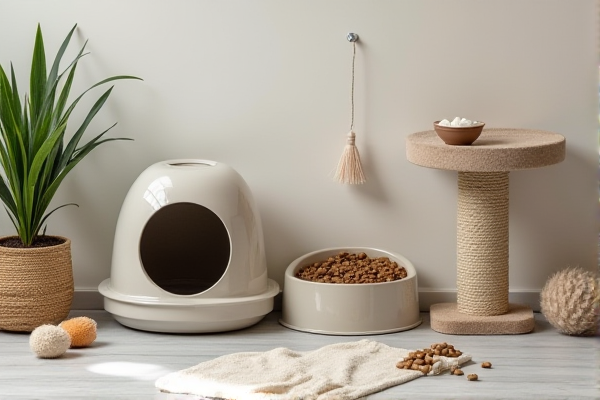
The box itself has evolved. Beyond the basic pan, consider: * Covered/Hooded Boxes: Provide privacy and contain litter scatter but can trap odors inside, which some cats dislike. * Top-Entry Boxes: Dramatically reduce tracking as cats jump out, but may be difficult for kittens or senior cats. * High-Sided Boxes: Great for cats who stand to urinate or dig vigorously.

Part 2: Exploring Litter Box Alternatives

These systems aim to reduce or eliminate the use of traditional loose litter, often automating the cleaning process.

1. Self-Cleaning Litter Boxes

These automated boxes sense when a cat has left and mechanically sift or rake waste into a sealed compartment.

* Pros: Drastically reduces daily scooping. Maintains constant cleanliness. Superior odor containment. * Cons: High upfront cost. Requires specific litter (usually crystal or clumping). Mechanical parts can fail or scare noise-sensitive cats. * Verdict: An excellent investment for busy owners or multi-cat homes, provided your cat isn’t frightened by the motion and sound.

2. Disposable Litter Box Systems

These use a pre-filled tray with a litter liner. The entire tray is replaced weekly.

* Pros: The ultimate in convenience—no scooping, no cleaning. Hygienic and fresh every week. * Cons: Ongoing subscription cost. Not eco-friendly due to waste. Your cat must accept the specific litter type included. * Verdict: Ideal for temporary situations (travel, recovery from surgery) or those who value time over cost.

3. Potty Training Systems (For Toilet Use)

Kits designed to gradually train your cat to use the human toilet.

* Pros: Eliminates litter purchases and scooping entirely. * Cons: Training is time-intensive and not all cats will comply. Removes the ability to monitor cat’s health via waste. Can be stressful for cats who prefer digging. Not suitable for households with elderly or disabled humans who need the toilet. * Verdict: A niche solution that requires significant owner commitment and a willing cat. Generally not recommended by veterinarians for behavioral and health-monitoring reasons.

Head-to-Head Comparison: Cat Litter vs. Alternatives

| Feature | Traditional Litter Box | Self-Cleaning Box | Disposable Box System | | :--- | :--- | :--- | :--- | | Upfront Cost | Low ($10 - $50 for box + litter) | High ($150 - $800) | Low-Medium (Starter kit cost) | | Ongoing Cost | Low-Medium (Monthly litter) | Medium (Litter + waste bags) | High (Weekly tray subscriptions) | | Daily Maintenance | Scooping 1-2 times daily | Emptying waste drawer every few days | None (Full tray change weekly) | | Odor Control | Good (Depends on litter & scooping freq.) | Excellent (Waste is sealed immediately) | Excellent (Fresh tray weekly) | | Cat Acceptance | High (Most familiar, customizable) | Variable (Some fear noise/motion) | Variable (Depends on litter type) | | Eco-Friendliness | Variable (Clay vs. Biodegradable) | Poor (Plastic, electronics, power use) | Poor (Regular plastic/liner waste) | | Health Monitoring | Easy (Can easily observe waste) | Moderate (Waste is clumped/sealed) | Moderate (Visible on liner) |

Actionable Advice for a Odor-Free Home

No matter which system you choose, these tips are universal:

1. The Golden Rule: Scoop Frequently. For traditional boxes, scoop solid waste at least once daily, ideally twice. This is the single most effective odor-control tactic. 2. Deep Clean Regularly. Empty all litter, wash the box with mild, unscented soap (avoid harsh chemicals like ammonia or bleach, which smell like urine to cats) every 1-4 weeks. 3. Use the Right Amount of Litter. 2-3 inches is ideal. Too little won’t clump properly; too much is wasteful and encourages tracking. 4. Location, Location, Location. Place the box in a quiet, well-ventilated area, but not next to noisy appliances. Avoid cramped, closed spaces where odors concentrate. 5. The "N+1" Rule. Have one more litter box than the number of cats you have. If you have 2 cats, you need 3 boxes. This reduces competition and prevents "dirty box" avoidance. 6. Consider an Air Purifier. A HEPA air purifier with a carbon filter near the litter area can work wonders for ambient odors and dust. 7. Diet Matters. A high-quality, digestible diet produces less smelly waste. Ensure your cat is well-hydrated, as concentrated urine smells stronger.

Top Picks for a Holistic Cat Care Routine

While focusing on litter, don't forget overall health and happiness! A healthy cat starts with great nutrition and positive reinforcement. Here are our top-rated recommendations for treats and food that complement your clean-home efforts.

Temptations Classic Crunchy and Soft Cat Treats, Tasty Chicken Flavor, 30 oz. Tub

* Price: $14.99 * Rating: 4.8 out of 5 stars

The ultimate reward for good behavior (or just for being cute!).

These popular treats are perfect for positive reinforcement during litter box training or after a vet visit.

The 30oz tub is great value for multi-cat households.

Use them to create positive associations with the litter box area.

Meow Mix Original Choice Dry Cat Food, 16 Pounds

* Price: $8.99 * Rating: 4.7 out of 5 stars

A balanced, affordable, and highly-palatable everyday diet.

Good digestion leads to healthier, less odorous waste.

This 16-pound bag provides excellent value and consistent nutrition that cats love, supporting their overall well-being which is intrinsically linked to good litter box habits.

Vital Essentials Minnows Freeze-Dried Raw Cat Treats, 1 oz

* Price: $11.59 * Rating: 4.4 out of 5 stars

For a pure, single-ingredient, high-protein reward.

These freeze-dried minnows are grain-free and gluten-free, making them an excellent choice for cats with sensitivities.

They’re a healthy way to bond with your cat and reward them, reinforcing that their environment (including their clean litter box) is a positive place.

Frequently Asked Questions (FAQ)

Q1: My cat is suddenly avoiding the litter box. What should I do? A: First, rule out a medical issue by consulting your veterinarian. Urinary tract infections, kidney problems, and arthritis can cause litter box avoidance. If health is cleared, consider recent changes: new litter type? New box location? A dirty box? A new pet or stressor in the home? Revert to what worked before and reintroduce changes slowly.

Q2: Is clumping or non-clumping litter better for kittens? A: Many vets recommend using a non-clumping, unscented litter for kittens under 4 months old. Kittens are curious and may taste the litter; non-clumping varieties are safer if ingested in small amounts. After 4 months, you can gradually transition to a clumping litter.

Q3: How often should I completely change out all the litter in a traditional box? A: For clumping litter, if you scoop diligently, you can do a full change every 2-4 weeks. For non-clumping litter, a full change is needed every 1-2 weeks. Always wash the box with mild soap during a full change.

Q4: Are silica gel crystals safe if my cat eats them? A: Silica gel is chemically inert and non-toxic. However, consuming large quantities could cause gastrointestinal blockage or irritation. It's uncommon for cats to eat them, but if you have a very curious kitten, monitor them closely or opt for a natural, biodegradable litter during their exploratory phase.

Q5: Can I flush cat litter? A: Only flush litter that is explicitly labeled as "flushable" or "septic-safe," and even then, with caution. Most clay and silica litters will clog pipes and damage plumbing. Biodegradable litters made from pine, wheat, or corn are often flushable, but check the package instructions. Never flush clumped waste or feces from cats, as it can contain parasites harmful to marine life.

Q6: What’s the best way to transition my cat to a new litter or box system? A: Transition slowly over 7-10 days. Start by mixing a small amount of the new litter with the old (e.g., 25% new/75% old). Gradually increase the ratio. For a new box, place it right next to the old one with the familiar litter inside. Once your cat is using it reliably, you can slowly move it to the desired location.

Final Thoughts: Choosing What’s Best for You and Your Cat

The debate between cat litter and alternatives doesn’t have a single winner. The "best" choice is a highly personal equation balancing: * Your Cat’s Preference: The most critical factor. * Your Budget: Both upfront and ongoing costs. * Your Lifestyle: How much time you can dedicate to maintenance. * Your Values: Importance of eco-friendliness or cutting-edge convenience.

For most, a high-quality clumping litter with odor control in a well-sized, well-placed box, maintained with diligent scooping, remains the gold standard of reliability and cat acceptance.

For those seeking to minimize daily chores, a self-cleaning litter box is a transformative investment.

Start by understanding your cat’s habits and preferences.

Make changes thoughtfully, and prioritize a clean, accessible, and private bathroom space for them.

Combined with a healthy diet and lots of love (and maybe a treat from our top picks!), you’ll create a harmonious home where both you and your feline companion can breathe easy.