Cat Litter Buying Guide: What You Need to Know

Cat Litter Buying Guide: What You Need to Know

The Ultimate Cat Litter Buying Guide: Find the Purr-fect Match for Your Feline

Choosing the right cat litter is one of the most important decisions you’ll make for your cat’s health and your home’s harmony.

With so many options—clay, silica, pine, corn, and more—it’s easy to feel overwhelmed.

This comprehensive guide will cut through the clutter, providing you with practical, actionable advice to select a litter that ensures odor control, satisfies your cat’s instincts, and fits your lifestyle.

Your cat’s litter box is their private sanctuary; let’s make it a place they love to use.

Why the Right Cat Litter Matters More Than You Think

A cat’s litter box is more than just a bathroom; it’s a key component of their behavioral and physical well-being. The wrong litter can lead to a host of problems, including: * Avoidance & Accidents: If your cat dislikes the texture or scent, they may start eliminating outside the box. * Stress & Anxiety: An unclean or unpleasant litter box is a major stressor for cats. * Health Issues: Dusty litters can exacerbate feline asthma, and unsanitary conditions can lead to urinary tract infections. * Household Odors: Poor odor control makes your home less pleasant for everyone.

Investing time in choosing the right litter is an investment in your cat’s happiness and your peaceful coexistence.

Step-by-Step: How to Choose the Best Cat Litter

Follow this systematic approach to narrow down your options.

Step 1: Understand the Different Types of Cat Litter

Each type has unique properties. Here’s a breakdown of the most common categories:

#### Clumping Litter (Usually Clay-Based) * How it Works: Forms solid clumps when wet, making urine and solid waste easy to scoop out. * Pros: Excellent odor control (when scooped daily), economical as you only remove soiled litter, widely available. * Cons: Can be dusty, heavier than some alternatives, not biodegradable. * Best For: Most cat owners seeking convenience and control.

#### Non-Clumping Litter (Traditional Clay) * How it Works: Absorbs moisture but doesn’t clump. Requires full box changes more frequently. * Pros: Often very affordable, some cats prefer the finer texture. * Cons: Poor odor control over time, less hygienic as urine pools at the bottom, more wasteful. * Best For: Those on a very tight budget or cats with specific texture preferences.

#### Silica Gel Crystal Litter * How it Works: Made from porous silica beads that absorb urine and trap odor. Solids are scooped as usual. * Pros: Superb, long-lasting odor control (can last a month for one cat), very low dust, lightweight. * Cons: Higher upfront cost, some cats dislike the crunchy texture, can be noisy. * Best For: Busy owners, small spaces, and multi-cat households where odor is a prime concern.

#### Natural/Biodegradable Litters (Pine, Corn, Wheat, Walnut) * How it Works: Made from plant-based materials. Some clump, others turn to sawdust when wet. * Pros: Eco-friendly, often low dust, naturally deodorizing, lightweight. Flushable options exist (check your plumbing first!). * Cons: Can be tracked more easily, may not clump as firmly, some have a natural scent that not all humans or cats enjoy. * Best For: Environmentally conscious owners and cats with dust sensitivities.

Step 2: Evaluate Key Performance Factors

Once you know the types, assess them against these critical criteria:

1. Odor Control: This is the #1 concern for most owners. Look for litters with activated charcoal, baking soda, or proprietary formulas designed to neutralize ammonia smells. Clumping and silica gel litters typically lead the pack here. 2. Clump Strength & Easy Cleanup: A good clump should be solid, not crumble when scooped. This keeps the rest of the litter clean and makes daily maintenance a breeze. 3. Dust Level: Low-dust formulas are better for your cat’s respiratory system and keep your home cleaner. Silica gel and some natural litters are excellent low-dust choices. 4. Tracking: Larger, heavier pellets track less than fine, sandy litters. A good litter mat is essential, but the litter’s base composition plays a big role. 5. Cat Preference: Ultimately, your cat has the final vote. Most cats prefer a soft, sand-like texture (like fine clumping clay) that’s unscented. Never switch litters abruptly; always mix the new with the old over a week.

Step 3: Consider Your (and Your Cat’s) Lifestyle

Multi-Cat Homes: You need superior odor control and likely a higher volume of litter. Consider clumping or silica gel and provide at least one box per cat, plus one extra*. * Kittens: Avoid clumping and silica litters until the kitten is at least 4 months old, as they might ingest it. Use a non-clumping, pellet-based litter. * Senior Cats or Cats with Mobility Issues: Use a very fine, soft litter that’s easy on paws, and ensure the litter box has low sides for easy entry. * Eco-Conscious Owners: Biodegradable litters made from recycled materials are the clear choice. * Budget: While non-clumping clay is cheapest upfront, clumping litter can be more economical long-term as you use less. Calculate cost per month, not per bag.

The Litter Box Itself: The Perfect Partner

The box is just as important as what goes in it.

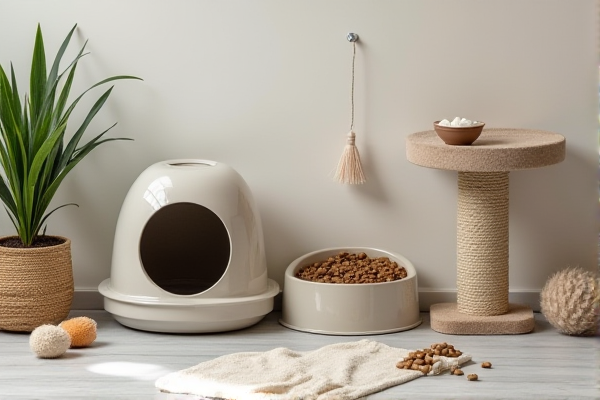
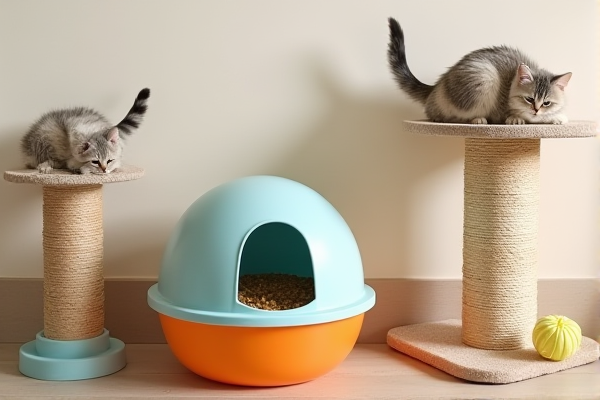
Size Matters: The box should be at least 1.5 times the length of your cat* (nose to tail base). Bigger is almost always better. * High Sides vs. Low Entry: High-sided boxes contain litter scatter but can be hard for kittens and seniors. A low-entry box or a top-entry box (which also minimizes tracking) can be great alternatives. * Number of Boxes: The golden rule: one box per cat, plus one extra. Place them in quiet, low-traffic, but accessible locations. * Self-Cleaning Litter Boxes: These automated boxes rake or sift waste into a sealed compartment after each use. They are a game-changer for odor control and convenience, especially for busy owners. Ensure your cat isn’t startled by the noise, and you must still empty the waste drawer regularly.

Top Picks for a Happy Cat & Home

While our focus is on litter, a happy cat routine includes great nutrition and treats. Here are some top-rated essentials to complement your litter box setup.

Top-Rated Treats & Food

Reward your cat for using their pristine litter box or just for being their wonderful self.

1. Temptations Classic Crunchy and Soft Cat Treats, Tasty Chicken Flavor, 30 oz. Tub * Price: $14.99 * Rating: 4.8 out of 5 stars * Why We Recommend It: This iconic treat is a feline favorite for a reason. The unique crunchy outer shell and soft, creamy center provide an irresistible texture and flavor (Tasty Chicken!). The large 30oz tub is great for value and convenient storage. Perfect for positive reinforcement.

2. Vital Essentials Minnows Freeze-Dried Raw Cat Treats, 1 oz * Price: $11.59 * Rating: 4.4 out of 5 stars * Why We Recommend It: For a pure, protein-packed snack, these single-ingredient minnows are fantastic. They’re freeze-dried raw, grain-free, and gluten-free, making them an excellent choice for cats with sensitivities or owners wanting to provide a biologically appropriate treat. High in protein and full of flavor.

3. Meow Mix Original Choice Dry Cat Food, 16 Pounds * Price: $8.99 * Rating: 4.7 out of 5 stars * Why We Recommend It: A balanced, affordable, and widely loved staple food. The 16-pound bag offers tremendous value. It provides complete nutrition with a taste cats crave, ensuring your cat has the energy and health for all their daily adventures, including frequent trips to their ideal litter box.

Your Cat Litter Buying Checklist

Print this out or save it for your next shopping trip!

Odor & Cleanup:

  • [ ] Primary Goal: Strong odor control (look for baking soda, charcoal)
  • [ ] Clumping: Forms hard, scoopable clumps that don’t fall apart
  • [ ] Non-Clumping: Budget-friendly, but plan for frequent full changes
  • Health & Safety:

  • [ ] Low Dust: To protect your cat’s (and your) respiratory health
  • [ ] Cat-Approved Texture: Unscented, soft, and sand-like is usually best
  • [ ] Appropriate for Life Stage: Non-clumping for kittens under 4 months
  • Practicality:

  • [ ] Minimal Tracking: Pellet-based or heavier granules track less
  • [ ] Fits Your Lifestyle: Biodegradable for eco-home, silica for low-maintenance, clay for balance
  • [ ] Within Budget: Consider long-term cost, not just bag price
  • The Litter Box:

  • [ ] Size: Large enough for cat to turn around comfortably (1.5x their length)
  • [ ] Quantity: Number of cats + 1 = Number of boxes needed
  • [ ] Style: Open, covered, top-entry, or self-cleaning based on your cat’s preference
  • [ ] Placement: Quiet, accessible, and away from food/water bowls

---

Frequently Asked Questions (FAQ)

Q1: What type of cat litter is best? A: Clumping clay is most popular. Natural litters appeal to eco-conscious owners. Crystal offers moisture absorption. The key is what your cat will use consistently.

Q2: How much litter should I put in the box? A: Most boxes need 2-3 inches for optimal performance. This allows proper digging and clumping.

Q3: How often should I scoop and change litter? A: Scoop clumping litter at least once daily. Empty and wash box every 2-4 weeks. For non-clumping, change all litter weekly.

Q4: How many litter boxes do I need? A: One box per cat, plus one extra. Spread throughout home, at least one per floor.

Q5: What causes litter box avoidance? A: Medical issues, dirty litter, litter preference changes, box issues, location problems, stress, or negative associations. Always rule out medical issues first.

Frequently Asked Questions

What type of cat litter is best?

Clumping clay is most popular. Natural litters appeal to eco-conscious owners. Crystal offers moisture absorption. The key is what your cat will use consistently.

How much litter should I put in the box?

Most boxes need 2-3 inches for optimal performance. This allows proper digging and clumping.

How often should I scoop and change litter?

Scoop clumping litter at least once daily. Empty and wash box every 2-4 weeks. For non-clumping, change all litter weekly.

How many litter boxes do I need?

One box per cat, plus one extra. Spread throughout home, at least one per floor.

What causes litter box avoidance?

Medical issues, dirty litter, litter preference changes, box issues, location problems, stress, or negative associations. Always rule out medical issues first.