Are Cat Litter Safe? Benefits & Risks Explained

Are Cat Litters Safe? A Complete Guide to Protecting Your Cat's Health
As a loving cat owner, you want the best for your feline friend.
You carefully select their food, provide cozy beds, and offer plenty of toys.
But have you ever stopped to ask, "Are cat litters safe?" This seemingly simple product is one your cat interacts with multiple times a day, making its safety a cornerstone of their long-term health and well-being.
The answer isn't a simple yes or noβit depends on the type of litter, its ingredients, and your cat's unique needs.
In this comprehensive guide, weβll explore the potential risks and benefits of different litter types, provide actionable advice for choosing the safest option, and highlight how to create a healthy litter box environment.
Your cat's safety is our top priority.
Understanding Cat Litter Ingredients: What's in the Box?
To assess safety, we must first look at what cat litters are made from. Hereβs a breakdown of common types and their key considerations.
Clay-Based Litters (Clumping & Non-Clumping)
* Typical Ingredients: Sodium bentonite clay (for clumping), other absorbent clays. * Safety Considerations: Traditional clay clumping litters are highly effective but have drawn scrutiny. The primary concern with sodium bentonite is internal blockage risk. When ingested during grooming, the clay can expand significantly in the digestive tract. Dust from clay litters can also contribute to respiratory issues in both cats and humans. Vets often recommend avoiding clay litters with excessive dust, especially for cats with asthma or other respiratory conditions.Silica Gel Crystals
* Typical Ingredients: Sodium silicate beads. * Safety Considerations: These litters are prized for superior odor control and low tracking. The beads are highly absorbent. The main risk is if a cat ingests the crystals, which can cause gastrointestinal upset or obstruction. The dust level is typically very low, making them a better choice for respiratory health. Ensure your cat doesn't have a habit of eating the beads.Natural/Biodegradable Litters
This category includes litters made from: * Pine or Wood: Naturally absorbs odors and is low-dust. The pine scent can be a pro or con; some cats dislike strong smells. * Corn or Wheat: Often clump naturally. A significant risk here is the potential for toxin-producing mold (aflatoxins) if the litter becomes damp and is not changed regularly. Always store in a dry place. * Paper: Highly absorbent, virtually dust-free, and very soft on paws. Extremely safe from ingestion and respiratory standpoints, though odor control can be less effective. * Grass Seed: A newer, clumping option that is typically low-dust and biodegradable.
Vets generally agree that natural, low-dust litters are often the safest starting point for most households, provided they are maintained properly to prevent mold.
Potential Health Risks of Unsafe Litter
Choosing the wrong litter or maintaining it poorly can lead to several health issues:
1. Respiratory Problems: Fine dust particles can be inhaled, irritating the nasal passages, throat, and lungs. This is a major concern for breeds with flat faces (like Persians) and cats with pre-existing conditions like asthma. 2. Gastrointestinal Blockage: As mentioned, clumping clay litters pose the highest risk if ingested. Symptoms include vomiting, lethargy, loss of appetite, and constipation. 3. Paw Pad Irritation: Some litters, particularly those with sharp crystals or heavily perfumed varieties, can cause dryness, cracking, or sores on your cat's sensitive paw pads. 4. Toxic Exposure: Litters with strong chemical deodorizers, synthetic fragrances, or bleaching agents can expose your cat to volatile organic compounds (VOCs). Cats lick their paws, inadvertently ingesting these chemicals. 5. Behavioral Issues (Litter Box Aversion): If a litter is painful on the paws, smells too strong, or is consistently dirty, your cat may start avoiding the box altogether, leading to inappropriate elimination.
How to Choose the Safest Cat Litter: An Actionable Checklist
Follow these steps to make an informed, safe choice for your cat:
* Prioritize Low or No Dust: Look for litters marketed as "99% dust-free" or "low dust." Pour a small amount into a clean box in a sunny room to check for visible dust clouds. * Avoid Heavy Perfumes & Chemicals: Choose unscented or naturally scented (like pine) options. Artificial fragrances are often used to mask odors but can be overwhelming for a cat's superior sense of smell. * Match the Litter to Your Cat's Health: For kittens, post-surgery cats, or known nibblers, use a non-clumping, ingestible litter like paper or untreated wood until the risk phase passes. For cats with respiratory issues, silica or paper litter is often best. * Consider Your Cat's Preferences: Safety is paramount, but if your cat refuses to use a litter, it's not a safe solution for your home. Transition slowly by mixing new litter with old over 7-10 days. * Read Reviews for Real-World Feedback: Look for consistent comments about dust levels, tracking, and whether cats accepted the litter readily.
The Foundation of Safety: Proper Litter Box Maintenance
The safest litter in the world becomes hazardous in a dirty box. Proper hygiene is non-negotiable.
* Scoop Twice Daily: This prevents waste buildup, controls odor at the source, and gives you a daily chance to monitor your cat's health. * Complete Changes & Washes: Even with daily scooping, do a full litter change and wash the box with mild, unscented soap and warm water every 2-4 weeks. For non-clumping litter, follow the manufacturer's schedule, which is often more frequent. * Provide Enough Boxes: The golden rule is one litter box per cat, plus one extra. Place them in quiet, low-traffic, easily accessible locations. * Use Unscented Liners or No Liners: Many cats dislike the feel of liners, and scented versions add more chemicals. If you use one, ensure it's unscented and secured properly.
Top Picks for a Healthy, Happy Cat
While our focus is on litter safety, a cat's overall well-being is supported by excellent nutrition and safe treats. Here are some top-rated, veterinarian-recommended products that complement your care.
Temptations Classic Crunchy and Soft Cat Treats, Tasty Chicken Flavor, 30 oz. Tub
Price: $14.99 | Rating: 4.8 out of 5 stars A wildly popular treat perfect for rewarding your cat during litter box training or after a successful vet visit. The crunchy outer shell and soft inside are irresistible to most felines. Use in moderation as part of a balanced diet.Meow Mix Original Choice Dry Cat Food, 16 Pounds
Price: $8.99 | Rating: 4.7 out of 5 stars A balanced, affordable nutrition staple. A healthy diet leads to healthy digestion, which directly impacts litter box output and odor. This formula provides complete nutrition with essential vitamins and minerals.Vital Essentials Minnows Freeze-Dried Raw Cat Treats, 1 oz
Price: $11.59 | Rating: 4.4 out of 5 starsFor a pure, single-ingredient treat, these freeze-dried minnows are an excellent choice. High protein, grain-free, and gluten-free, they align with a cat's natural carnivorous diet and are a safe, limited-ingredient option for cats with food sensitivities.
Enhancing Safety with the Right Litter Box
The box itself plays a role in safety and comfort.
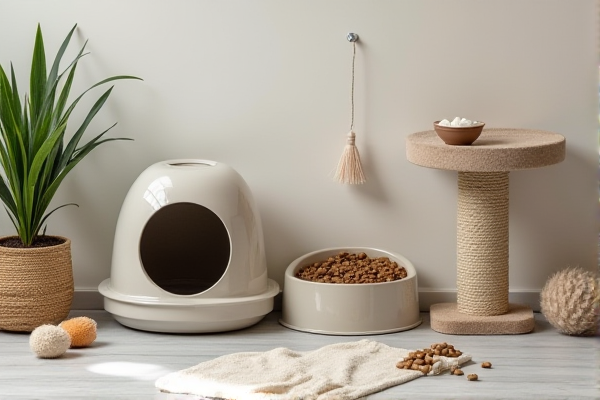
* Size Matters: The box should be at least 1.5 times the length of your cat (nose to tail base). Bigger is almost always better. * Low Entry for Kittens & Seniors: Older cats or those with arthritis need boxes with very low sides for easy access. * Ventilation is Key: Covered boxes can trap dust and odors inside, creating a more concentrated, unpleasant environment for your cat. If you use a hood, ensure it's well-ventilated and cleaned frequently. * Self-Cleaning Boxes: These can be a great aid for consistent scooping. If you choose one, ensure your cat is not startled by the mechanism, and follow all safety instructions. They work best with the specific litter recommended by the manufacturer.
FAQ: Your Cat Litter Safety Questions Answered
Q1: What is the absolute safest cat litter?
There's no one-size-fits-all answer, but for overall low risk, unscented, dust-free paper or wood pellet litters are often considered the safest.
They pose minimal risk if ingested, are gentle on paws, and produce little to no dust.
Always monitor your cat's acceptance.
Q2: Is clumping litter bad for cats?
Clumping litter is not inherently "bad," but sodium bentonite clay clumping litters carry a higher risk if ingested.
For adult cats that don't eat litter, a high-quality, low-dust clumping litter is a convenient and effective choice.
For kittens, it should be avoided.
Q3: Can cat litter cause breathing problems in cats?
Yes. Dusty litters can trigger or exacerbate respiratory issues like asthma. If your cat coughs, wheezes, or seems congested near the litter box, switch to a low-dust alternative and consult your veterinarian.
Q4: How often should I completely change all the litter?
For clumping litter with twice-daily scooping, a complete change and box wash every 2-4 weeks is standard.
For non-clumping litter, you may need to change the entire box every few days.
Always follow the manufacturer's guidelines and trust your noseβif it smells, it's time for a change.
Q5: My cat is eating litter. What should I do? Consult your veterinarian immediately. Litter eating (pica) can indicate a nutritional deficiency (like anemia), a gastrointestinal disorder, or behavioral issues. Your vet will need to rule out medical causes. In the meantime, switch to a 100% ingestible litter like paper.
Q6: Are natural litters safer than clay?
Generally, yes, but with important caveats. Natural litters (corn, wheat, pine, paper) are typically biodegradable, lower in dust, and free of synthetic chemicals.
However, corn and wheat litters must be kept dry to prevent mold.
The "safest" natural litter depends on your cat's habits and your maintenance routine.
Final Thoughts: A Safe Litter Box is a Happy Home
Choosing a safe cat litter is a profound act of care.
By prioritizing low-dust, unscented formulas, matching the litter to your cat's life stage and health, and committing to impeccable hygiene, you create a foundation for lifelong well-being.
Observe your cat.
They will tell you, through their behavior and health, if their litter is a comfort or a concern.
When in doubt, your veterinarian is your best partner in making these important decisions for your feline family member.
Disclaimer: This article is for informational purposes only and is not a substitute for professional veterinary advice. Always consult with your veterinarian regarding your pet's specific health and dietary needs.