Best Dog Collar for Training - 2026 Reviews: Complete Guide to No-Pull & Behavior Correction
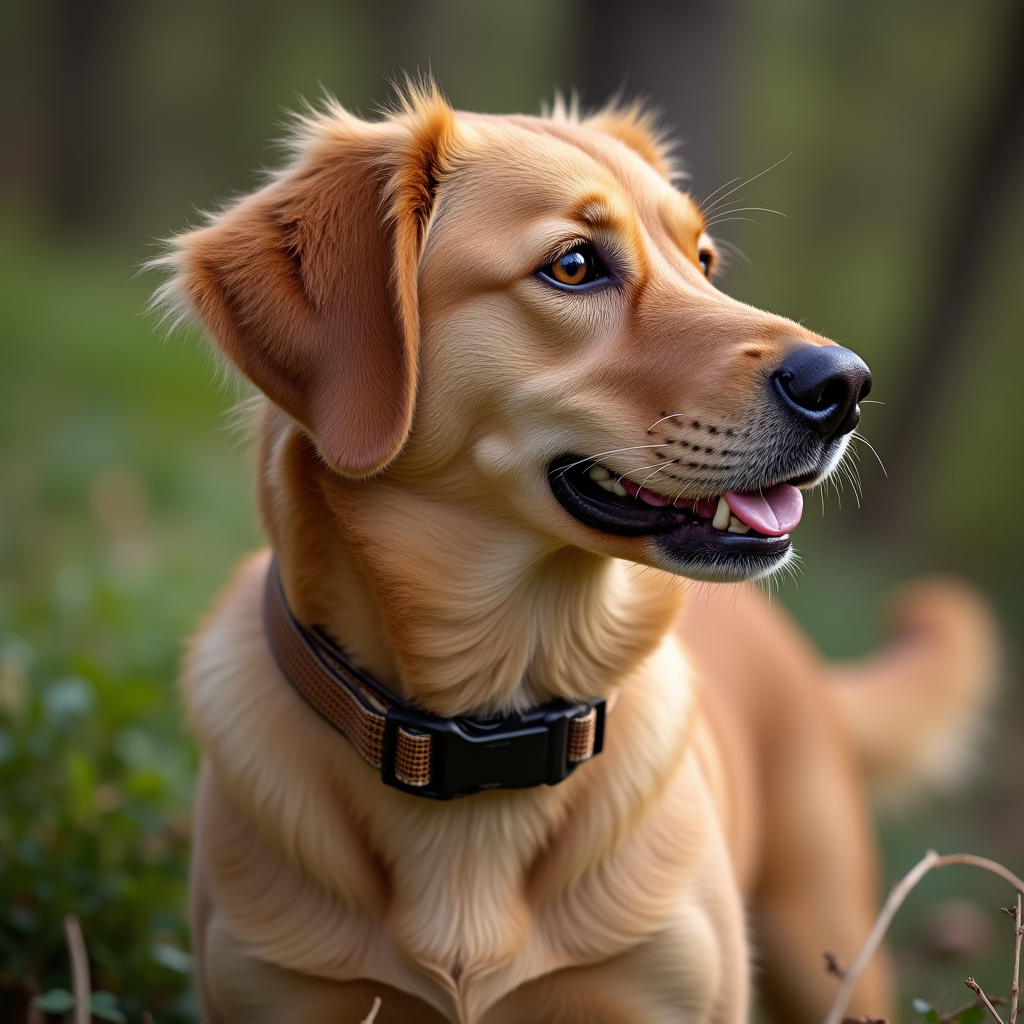
Best Dog Collar for Training - 2026 Reviews: Complete Guide to No-Pull & Behavior Correction
Best Dog Collar for Training - 2026 Reviews: Complete Guide to No-Pull & Behavior Correction
Training your dog is one of the most rewarding investments you can make as a pet owner. Whether you're dealing with a persistent leash puller, a puppy who needs guidance, or an adult dog requiring behavior correction, the right training collar can make all the difference. In this comprehensive 2026 guide, we've tested and reviewed the top dog training collars available on Amazon to help you find the perfect match for your furry friend's training journey.
Why Training Collars Matter
A training collar isn't just about control—it's about communication. The best collar helps you give clear, consistent signals to your dog without causing discomfort or fear. Modern training collars have evolved significantly, offering humane alternatives to outdated methods while effectively addressing common behavioral issues like leash pulling, jumping, and disobedience.
How We Selected the Best Training Collars
Our evaluation process considered:
- Effectiveness – Real-world training results
- Humane design – Pain-free correction methods
- Durability – Quality materials and construction
- Ease of use – User-friendly for both beginners and experienced trainers
- Value for money – Price vs. performance ratio
- Customer satisfaction – Amazon ratings and verified reviews
Top 7 Best Dog Training Collars of 2026
1. PetSafe Gentle Leader Headcollar – Best Overall for Leash Pulling
Price: $24.99
Best For: Dogs who pull on leash, medium to large breeds
Amazon Rating: ⭐⭐⭐⭐ (4.3/5 from 12,000+ reviews)
The PetSafe Gentle Leader is a headcollar that works like a horse halter—by controlling the head, you control the dog's body. When your dog pulls, the Gentle Leader gently redirects their head toward you, naturally stopping the pulling behavior without choking or discomfort.
Key Features:
- Patented design that eliminates pulling without pain
- Adjustable nose loop for custom fit
- Quick-snap neck strap for easy on/off
- Available in multiple sizes ( Petite to Extra Large)
- Includes detailed training guide
Pros:
- Immediate results—most dogs stop pulling within minutes
- Humane and pain-free
- Doesn't restrict breathing or panting
- Great for training sessions and daily walks
- Durable construction lasts for years
Cons:
- Requires adjustment period (some dogs initially try to paw it off)
- Not ideal for dogs with short snouts (brachycephalic breeds)
- Must be fitted properly for effectiveness
Why We Recommend It: The Gentle Leader is backed by veterinary behaviorists and used by professional trainers worldwide. It's scientifically designed to work with your dog's natural instincts rather than against them.
2. Comfort/Fit No-Pull Harness – Best for Puppies
Price: $29.95
Best For: Puppies, small dogs, and first-time trainers
Amazon Rating: ⭐⭐⭐⭐ (4.5/5 from 8,500+ reviews)
The Comfort/Fit No-Pull Harness is specifically designed with puppies in mind. Its soft, padded design distributes pressure evenly across your puppy's chest rather than their neck, making it perfect for young dogs whose tracheas are still developing.
Key Features:
- Front and back leash attachment points
- Soft, breathable mesh padding
- Adjustable straps for growing puppies
- Reflective strips for nighttime safety
- Machine washable
- Sizes: XXS to XL
Pros:
- Extremely comfortable for extended wear
- No pressure on sensitive neck area
- Puppies accept it quickly
- Great for housebreaking and basic obedience
- Grows with your dog (adjustable)
- Excellent value for money
Cons:
- Less effective for strong pullers compared to headcollars
- Some determined pullers can still pull with the back attachment
- Sizing can be tricky for awkward puppy proportions
Why We Recommend It: For puppies under 6 months, this harness is the ideal introduction to leash training. It teaches loose-leash walking without any risk to your puppy's developing throat and neck.
3. PetSafe Martingale Collar – Most Durable & Versatile
Price: $19.99
Best For: Training, daily wear, and dogs who slip out of regular collars
Amazon Rating: ⭐⭐⭐⭐⭐ (4.7/5 from 6,200+ reviews)
The PetSafe Martingale Collar is a limited-slip collar that's gentler than choke chains but more secure than flat collars. It tightens slightly when your dog pulls, providing gentle correction, but has a built-in stop that prevents over-tightening.
Key Features:
- Limited-slip design prevents choking
- Durable nylon construction with metal hardware
- Quick-release buckle for easy on/off
- Available in 15 colors and 8 sizes
- Loop for ID tags
- Machine washable
Pros:
- Extremely durable—lasts for years
- Dogs can't back out of it (great for escape artists)
- Provides clear feedback without pain
- Suitable for both training and daily wear
- Excellent value
- No plastic parts to break
Cons:
- Less effective for severe pullers than headcollars
- Should not be left on unsupervised dogs
- Not ideal for dogs with tracheal issues
Why We Recommend It: This is the "workhorse" of training collars. It's built to last, provides gentle but clear communication, and works for virtually any training scenario from basic obedience to advanced commands.
4. Educator E-Collar Remote Training Collar – Best for Advanced Training
Price: $169.99
Best For: Off-leash training, distance commands, and serious behavior modification
Amazon Rating: ⭐⭐⭐⭐ (4.4/5 from 3,800+ reviews)
The Educator E-Collar is a premium remote training system used by professional trainers for off-leash reliability and behavior correction. Unlike old-fashioned shock collars, it offers 100 levels of stimulation, from barely perceptible vibration to more assertive correction, plus tone and vibration-only modes.
Key Features:
- Up to 1/2 mile range
- 100 levels of adjustable stimulation
- "Lock and Set" feature prevents over-stimulation
- Night tracking light
- Waterproof receiver
- Rechargeable battery (2-hour charge lasts 50-70 hours)
Pros:
- Extremely precise stimulation levels
- Educator brand is respected by trainers
- Waterproof for outdoor training
- Long-range for off-leash work
- Can train two dogs with one remote (additional collar sold separately)
Cons:
- Higher price point
- Requires training to use correctly
- Not for novice trainers
- Should only be used after basic collar training
Why We Recommend It: For serious trainers who need off-leash control and distance reliability, this is the gold standard. When used correctly under guidance, it produces remarkable results for recall and advanced obedience.
5. Country Brook Design No-Pull Harness – Best for Large & Strong Pullers
Price: $34.99
Best For: Large breeds, strong pullers, and power-chewers
Amazon Rating: ⭐⭐⭐⭐ (4.6/5 from 4,500+ reviews)
Built to handle powerful breeds like German Shepherds, Rottweilers, and Pit Bulls, the Country Brook No-Pull Harness features heavy-duty construction and a front-chest leash attachment that turns pulling dogs toward you when they try to pull forward.
Key Features:
- Military-grade nylon webbing
- Two attachment points (front and back)
- Neoprene padding for comfort
- Stress-tested up to 800 lbs
- Heavy-duty metal buckles (no plastic)
- Made in the USA
Pros:
- Virtually indestructible
- Excellent for very strong pullers
- Front clip provides instant control
- Comfortable for all-day wear
- Lifetime warranty
- Resists chewing and abrasion
Cons:
- Heavier than other harnesses
- Bulkier design
- More expensive than basic harnesses
- Sizing runs large—measure carefully
Why We Recommend It: If you have a powerful dog who has broken other harnesses, this is your solution. The military-grade construction and front-clip design give you control even with the strongest pullers.
6. Mighty Paw No-Pull Collar – Best Budget-Friendly Option
Price: $14.99
Best For: Budget-conscious owners, mild to moderate pullers
Amazon Rating: ⭐⭐⭐⭐ (4.2/5 from 5,100+ reviews)
The Mighty Paw No-Pull Collar uses a simple but effective design: when your dog pulls, the collar tightens slightly, applying pressure to the back of the neck behind the ears—the same area a mother dog would nip to correct her puppies. This natural correction gets attention without pain.
Key Features:
- Limited-slip martingale design
- Soft nylon material
- Quick-release buckle
- Available in 6 sizes and 12 colors
- Lightweight design
- Backed by Mighty Paw's customer support
Pros:
- Very affordable
- Simple design with no parts to break
- Lightweight and comfortable
- Effective for most dogs
- Good for both training and daily wear
- Easy to clean
Cons:
- Not for severe pullers
- Dogs with thick necks may slip out
- Less durable than premium options
- Sizing can be inconsistent
Why We Recommend It: For dogs who pull occasionally but aren't chronic pullers, this collar offers excellent value. It provides clear feedback at a fraction of the cost of more specialized training collars.
7. Halti Headcollar – Best Alternative to Gentle Leader
Price: $22.99
Best For: Dogs who don't respond well to martingale collars
Amazon Rating: ⭐⭐⭐⭐ (4.4/5 from 7,300+ reviews)
The Halti Headcollar is similar to the Gentle Leader but with some design differences that some dogs prefer. It features a padded nose band and an optional safety strap that connects to your dog's regular collar for added security.
Key Features:
- Padded nose loop for extra comfort
- Adjustable fit
- Safety strap included
- Available in 6 sizes
- Comes with training guide
- Optional Halti training lead available
Pros:
- More comfortable padding than some competitors
- Safety strap provides peace of mind
- Good alternative for dogs who reject other headcollars
- Effective immediate pull reduction
- Affordable price point
Cons:
- Slightly less durable than Gentle Leader
- Some dogs still try to remove it initially
- Requires proper fit to work effectively
- Not ideal for flat-faced breeds
Why We Recommend It: If you've tried other headcollars without success, the Halti's slightly different design might be the answer. The padded nose band is more comfortable for some dogs, leading to faster acceptance.
Buyer-Intent Recommendations: Choose Based on Your Specific Needs
Best for Leash Pulling: PetSafe Gentle Leader Headcollar
Leash pulling is one of the most common complaints from dog owners. The PetSafe Gentle Leader is our top pick for this issue because:
- Immediate results—most dogs stop pulling within the first walk
- No force required—works through gentle redirection, not strength
- Long-term training tool—teaches proper leash manners over time
- Veterinarian approved—safe and humane
How to Use It Effectively:
- Introduce the collar gradually with treats
- Start with short, positive walks
- Reward your dog for walking beside you
- Gradually increase distance as training progresses
Best for Puppies: Comfort/Fit No-Pull Harness
Puppies require special consideration because their necks and tracheas are still developing. The Comfort/Fit Harness is perfect for puppies because:
- Neck-friendly design—no pressure on the throat
- Soft materials—comfortable for delicate puppy skin
- Adjustable fit—grows with your puppy
- Positive introduction to training—creates good associations early
Puppy Training Tips:
- Start training as early as 8-10 weeks
- Keep sessions short (5-10 minutes)
- Use high-value treats for motivation
- Be consistent with every walk
- Pair collar training with basic commands (sit, stay, come)
Most Durable: PetSafe Martingale Collar
If you need a collar that will last through years of daily use, the PetSafe Martingale is unbeatable:
- Heavy-duty nylon—resists fraying and tearing
- Metal hardware—won't break or bend
- Machine washable—easy to clean after muddy adventures
- No plastic parts—everything is metal or durable nylon
Ideal For:
- Active dogs who hike, swim, and play hard
- Multiple-dog households
- Professional trainers who need reliability
- Dogs who spend lots of time outdoors
Training Collar Types Explained
Headcollars (Head Halters)
- How they work: Control the head to control the body
- Best for: Strong pullers, large breeds
- Pros: Immediate results, humane
- Cons: Adjustment period needed
No-Pull Harnesses
- How they work: Front attachment turns dog toward you when pulling
- Best for: Puppies, dogs with neck issues, all-day wear
- Pros: Very comfortable, no neck pressure
- Cons: Some determined pullers can still pull
Martingale Collars
- How they work: Limited-slip provides gentle correction
- Best for: Training, escape artists, daily wear
- Pros: Versatile, durable, affordable
- Cons: Less effective for severe pullers
Remote Training Collars
- How they work: Handheld remote delivers stimulation, vibration, or tone
- Best for: Off-leash training, distance commands, serious behavior issues
- Pros: Long-range, precise, effective
- Cons: Expensive, requires training expertise
How to Properly Fit Your Training Collar
For Headcollars:
- Adjust the neck strap high on the neck, just behind the ears
- The nose loop should be loose enough to slide down to the fleshy part of the nose
- You should be able to fit one finger under all straps
- Check fit before every walk—dogs can grow or gain/lose weight
For Harnesses:
- Measure your dog's girth (widest part of the rib cage)
- The harness should be snug but not tight
- You should fit two fingers under the straps
- Check that it doesn't restrict shoulder movement
For Martingale Collars:
- Measure around the widest part of the head and neck
- When tightened, you should fit two fingers between collar and neck
- The collar shouldn't choke when fully tightened
- Should slide easily over the head but not slip off when pulled
Training Tips for Maximum Success
1. Start Slowly
Regardless of which collar you choose, introduce it gradually. Let your dog sniff it, offer treats, and build positive associations before expecting training results.
2. Be Consistent
Use the same collar for every training session. Consistency helps your dog understand expectations and learn faster.
3. Reward Good Behavior
The collar is a communication tool, not a punishment device. Always reward your dog for walking nicely, responding to commands, and showing improvement.
4. Combine with Training
A training collar works best when combined with positive reinforcement. Practice basic commands like:
- Heel – Walk beside you without pulling
- Sit – Sit before crossing streets or greeting people
- Stay – Wait patiently at doorways
- Come – Recall on command
5. Be Patient
Every dog learns at their own pace. Some show improvement immediately; others need weeks of consistent practice. Stay positive and celebrate small victories.
Common Training Mistakes to Avoid
❌ Using the Collar as Punishment
Training collars should guide, not punish. Never jerk or yank the leash aggressively.
❌ Skipping the Adjustment Period
Give your dog time to get used to any new collar. This may take days or even weeks.
❌ Inconsistent Use
Using a training collar sometimes and a regular collar other times confuses your dog.
❌ Ignoring Proper Fit
An ill-fitting collar is ineffective and can cause discomfort or escape.
❌ Expecting Instant Perfection
Training is a process. Set realistic goals and celebrate progress.
Safety Considerations
When to Avoid Training Collars:
- Puppies under 8 weeks – Use a lightweight harness instead
- Dogs with neck injuries – Consult your veterinarian first
- Brachycephalic breeds – Pugs, Bulldogs, and similar breeds may have difficulty with headcollars
- Dogs with anxiety or fear issues – May need behavior modification before collar training
Always:
- Check collar fit before each walk
- Remove collars during crate time or unsupervised play
- Inspect collars regularly for wear and tear
- Never leave a training collar on 24/7
- Consult a professional trainer for serious behavioral issues
Frequently Asked Questions
Are training collars cruel?
When used correctly, modern training collars are humane and effective. Avoid outdated methods like choke chains or prong collars unless specifically recommended by a professional trainer.
How long does it take to see results?
Most dogs show improvement within the first few walks. However, permanent behavior change typically takes 4-8 weeks of consistent training.
Can I use a training collar on a puppy?
Yes, but choose puppy-appropriate options like soft harnesses. Avoid headcollars and martingales until your puppy is at least 6 months old.
Should I use a training collar all the time?
No. Training collars are for supervised walks and training sessions. Use a regular flat collar for ID tags and daily wear.
What if my dog hates the training collar?
Go slower with the introduction. Use high-value treats, shorter sessions, and positive associations. Some dogs need more time to adjust than others.
Final Verdict: Which Training Collar Should You Buy?
#1 Overall Best: PetSafe Gentle Leader Headcollar
Best for: Leash pulling, large breeds, immediate results
Price: $24.99
Buy on Amazon →
#2 Best for Puppies: Comfort/Fit No-Pull Harness
Best for: Puppies, small dogs, first-time trainers
Price: $29.95
Buy on Amazon →
#3 Most Durable: PetSafe Martingale Collar
Best for: Daily wear, escape artists, long-term use
Price: $19.99
Buy on Amazon →
Conclusion
The best dog collar for training is the one that fits your dog's specific needs, your training goals, and your comfort level as a handler. Whether you choose a headcollar for immediate pull control, a harness for your growing puppy, or a durable martingale for everyday reliability, consistency and positive reinforcement are the keys to success.
Remember: A training collar is a tool, not a solution. Combine it with patience, love, and proper training techniques, and you'll be enjoying peaceful, pleasant walks with your well-behaved dog in no time.
Prices and availability are accurate as of February 2026 and are subject to change. As an Amazon Associate, PetDeals Club earns from qualifying purchases made through our affiliate links.
Looking for more dog training advice? Check out our guides on Best Dog Treats for Training, How to Stop Leash Pulling, and Puppy Training Basics.