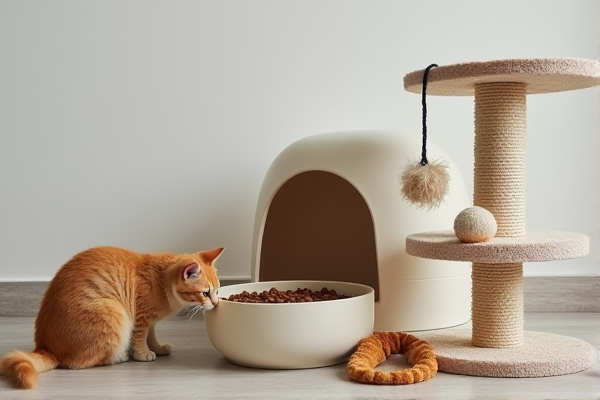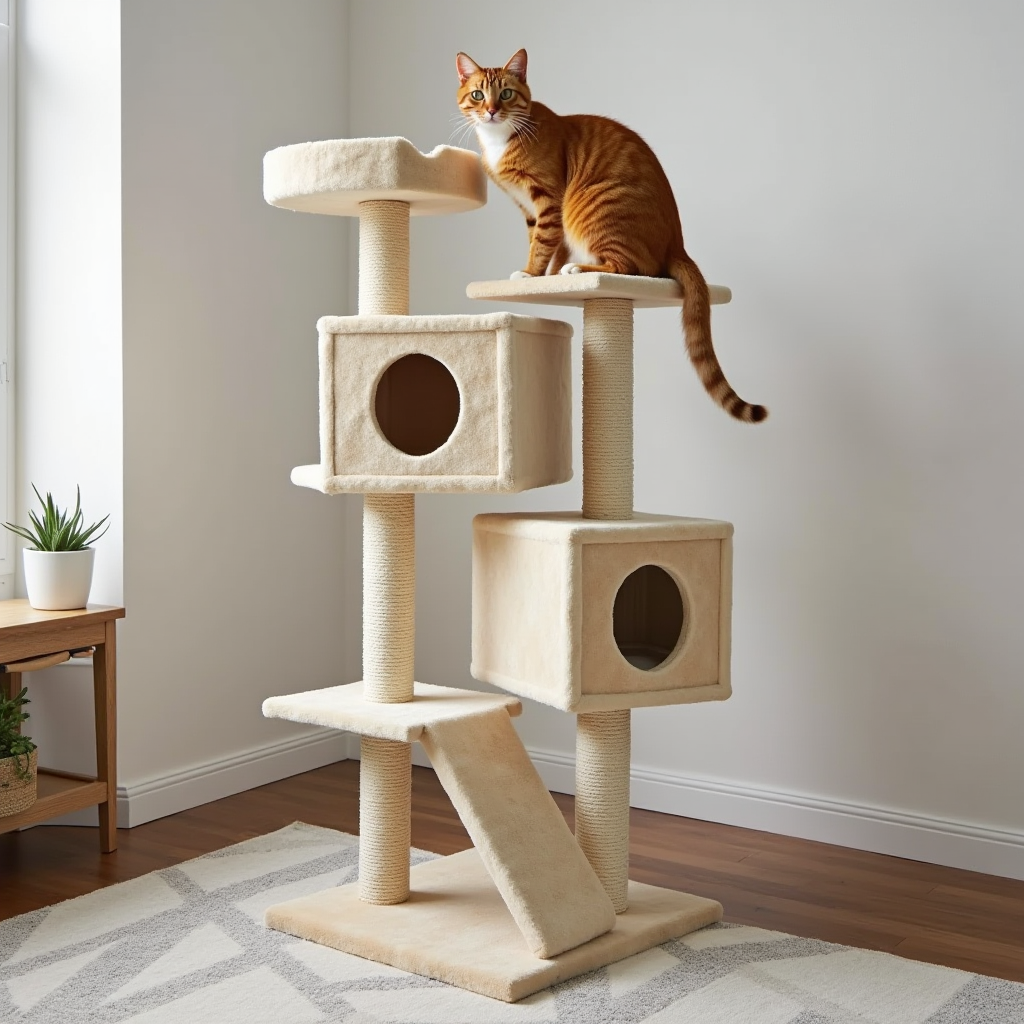
Cat Furniture Buying Guide: What You Need to Know

Cat Furniture Buying Guide: What You Need to Know

The Ultimate Cat Furniture Buying Guide: Creating a Purr-fect Home for Your Feline

Welcome, cat lovers!

Your feline friend is more than just a pet; they're a cherished member of the family with unique instincts and needs.

One of the most significant investments you can make in their happiness and health is the right cat furniture.

From satisfying their primal urge to scratch to providing a safe haven for naps, the right pieces can transform your home into a feline paradise and protect your own furniture in the process.

This comprehensive guide will walk you through everything you need to know to choose the perfect cat trees, scratching posts, and beds. We’ll focus on safety, durability, and your cat’s well-being, ensuring you make confident, informed decisions.

Why Cat Furniture is Essential, Not Just Decorative

Before we dive into the buying details, let's understand why these items are non-negotiable for a responsible cat owner.

* Scratching is a Biological Need: Cats scratch to shed the outer sheath of their claws, mark territory (via scent glands in their paws), and stretch their back and shoulder muscles. Providing a proper outlet prevents them from using your sofa or curtains. * Vertical Territory is Security: In the wild, height equals safety. Cat trees and perches allow your cat to survey their domain, reducing stress and providing a secure retreat from household bustle, children, or other pets. * Mental and Physical Stimulation: Climbing, jumping, and exploring different levels and hideaways provide crucial exercise and prevent boredom, which can lead to behavioral issues. * Personal Space: Every cat needs a cozy, designated spot to sleep and relax. A proper cat bed offers comfort and a sense of ownership.

---

Step-by-Step: How to Choose the Right Cat Furniture

Follow this actionable process to select pieces your cat will actually use and love.

Step 1: Assess Your Cat's Personality & Needs

Your cat's unique traits are the most important factor.

* The Sprightly Kitten or Young Athlete: Needs sturdy, multi-level trees with plenty of platforms, lightweight toys (like dangling balls), and sisal posts for intense scratching. Safety and stability are paramount for their energetic leaps. * The Laid-Back Lounger: Prioritizes comfort. Look for large, plush perches, enclosed "condo" boxes for napping, and maybe a simpler, sturdy scratching post. A luxurious cat bed is a must. * The Senior or Less Mobile Cat: Opt for lower-profile trees with easy-to-access ramps, supportive beds (orthopedic options are great), and strategically placed scratching pads or short posts. Avoid very tall or difficult-to-climb structures. * The Multi-Cat Household: You need a territory peacekeeper. Choose wide, multi-cat trees with several perches, hideaways, and scratching posts to prevent competition. More than one piece of furniture in different rooms is ideal.

Step 2: Evaluate Your Space

Measure twice, buy once!

* Available Footprint: How much floor space can you dedicate? A massive tree won't work in a studio apartment, where a wall-mounted shelf system might be perfect. * Vertical Potential: Do you have high ceilings? A tall tree can be a fantastic space-saver and thrill for your cat. * Room Flow: Place furniture near family activity (for social cats) or in a quiet corner (for shy cats), but always where your cat already likes to spend time. A tree placed in a forgotten basement corner will be ignored.

Step 3: Understand Materials & Construction

This is where quality and safety come into play.

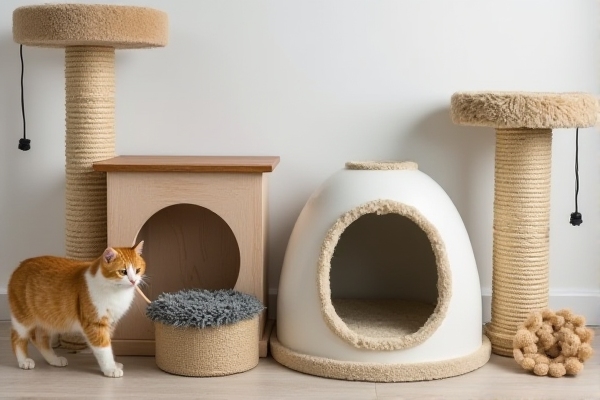
* Scratching Surfaces: * Sisal Rope/Woven Fabric: The gold standard. It's durable, provides an excellent texture for scratching, and is generally safe if ingested in small fibers. * Cardboard: Cats love the texture and it's inexpensive, but it wears out quickly and creates more mess. * Carpet: Popular but can be problematic. Some cats learn to associate carpeted posts with carpeted floors. Ensure it's tightly woven so claws don't get caught. * Platforms & Perches: Should be large enough for your cat to lie on comfortably (at least 12"x12" for an average cat) and covered in a soft, removable/washable material. * Hideaways/Condos: Should have at least two exits to prevent a cat from feeling trapped. Lined with soft, washable bedding. * Stability: This is non-negotiable. The furniture must not wobble, tip, or rock, even during a vigorous scratching session or a running leap. A wide, heavy base is key. Always follow assembly instructions precisely.

Step 4: Consider Features & Functionality

Look for pieces that offer multiple benefits.

* Integrated Toys: Dangling balls, feathers, or teaser wands can add play value. * Multiple Textures: A combination of sisal, carpet, and wood can appeal to different scratching preferences. * Modular or Expandable Designs: Great for adapting to your cat's changing needs or your future living spaces. * Ease of Cleaning: Removable cushion covers, or surfaces that can be easily vacuumed or wiped down, are a huge plus.

---

The Cat Furniture Buying Checklist

Print this out or save it for your shopping trip!

For SCRATCHING POSTS:

  • [ ] Height: Tall enough for a full stretch (at least 30 inches is a good start).
  • [ ] Stability: Rock-solid base, no wobble.
  • [ ] Material: Durable sisal is preferred for longevity.
  • [ ] Location: Placed near where your cat sleeps or in a high-traffic family area.
  • For CAT TREES:

  • [ ] Weight Capacity: Suitable for your cat's size (and if multiple cats will use it simultaneously).
  • [ ] Platform Size: Large, stable perches.
  • [ ] Hideaways: Have more than one entrance/exit.
  • [ ] Assembly: All parts included, clear instructions. Tools often required.
  • [ ] Covering: Soft, non-toxic materials that are easy to clean.
  • For CAT BEDS:

  • [ ] Size: Allows your cat to curl up and stretch out.
  • [ ] Support: Adequate cushioning, especially for older cats.
  • [ ] Washability: Machine-washable cover is ideal.
  • [ ] Style: Raised edges for "nesting" or flat for sprawling, based on your cat's sleep style.
  • [ ] Placement: In a warm, draft-free spot your cat already favors.

---

Top Picks: Essential Supplies for a Happy Cat Home

While our focus is on furniture, creating a complete enriching environment includes nutrition and positive reinforcement. Use these top-rated treats and foods to encourage your cat to use their new furniture and as part of a balanced diet.

Temptations Classic Crunchy and Soft Cat Treats, Tasty Chicken Flavor, 30 oz. Tub

Price: $14.99 | Rating: 4.8 out of 5 stars

These wildly popular treats are perfect for positive reinforcement.

Place a few on the new cat tree's perch or inside the condo to create a positive association.

The crunchy exterior and soft interior are irresistible to most felines.

Always remember, treats should not exceed 10% of your cat's daily caloric intake. Shop Temptations Treats on Amazon

Meow Mix Original Choice Dry Cat Food, 16 Pounds

Price: $8.99 | Rating: 4.7 out of 5 stars A balanced, complete diet is the foundation of your cat's energy and health, fueling all that climbing and playing.

This affordable and well-liked dry food provides 100% complete nutrition for adult cats.

Keep a fresh bowl of water available at all times when feeding dry food. Shop Meow Mix on Amazon

Vital Essentials Minnows Freeze-Dried Raw Cat Treats, 1 oz

Price: $11.59 | Rating: 4.4 out of 5 stars

For a high-protein, single-ingredient treat, these freeze-dried minnows are an excellent choice.

They're grain-free and mimic a natural prey item, appealing to your cat's instincts.

They're great for training or as a special reward for using the new scratching post. Shop Vital Essentials Treats on Amazon

---

How to Introduce Your Cat to New Furniture

Even the best furniture can be ignored if introduced poorly.

1. Strategic Placement: Set it up in a common area where your cat already spends time, not hidden away. 2. Use Catnip & Pheromones: Sprinkle catnip or use a spray like Feliway on the posts and perches to attract interest. 3. Incorporate Play & Treats: Dangle a wand toy around and over the tree. Place treats (like the Temptations or Vital Essentials listed above) on different levels. 4. Lead by Example: Gently scratch the post with your own nails to demonstrate the sound and motion. 5. Positive Reinforcement Only: Never force or place your cat on the furniture. Let them explore at their own pace and reward any interaction. 6. Be Patient: It can take days or even weeks for a cat to fully claim new furniture.

Maintenance & Safety Tips

* Inspect Regularly: Check for loose screws, frayed ropes, or unstable platforms every few weeks. Tighten and repair as needed. * Refresh Scratching Posts: When a sisal post is worn smooth, consider rewrapping it or using a sisal scratch post refresher spray to renew the texture. * Clean Frequently: Vacuum fur and dander from perches and beds. Wash removable covers according to instructions to prevent odor and allergens. * Anchor Tall Trees: For extra-tall structures, consider using furniture straps to secure them to a wall stud for absolute safety.

---

---

Frequently Asked Questions (FAQ)

Q1: Why is cat furniture important? A: Cat furniture provides scratching surfaces, vertical territory, reduced stress, exercise, observation points, and mental stimulation.

Q2: What type of cat furniture is best? A: Best options include: Tall cat trees with multiple levels, wall-mounted shelves, scratching posts in various materials, window perches, covered beds.

Q3: How tall should a cat tree be? A: Cat trees should be at least 3-4 feet tall for adults, ideally 5-6 feet. Ensure wide, heavy base for stability.

Q4: What material is best for scratching? A: Best materials include: Sisal rope, sisal fabric, corrugated cardboard, carpet, and natural wood. Offer multiple options.

Q5: Where should I place cat furniture? A: Near windows, where family spends time, near sleeping areas, away from litter boxes, create vertical highways through rooms.

Frequently Asked Questions

Why is cat furniture important?

Cat furniture provides scratching surfaces, vertical territory, reduced stress, exercise, observation points, and mental stimulation.

What type of cat furniture is best?

Best options include: Tall cat trees with multiple levels, wall-mounted shelves, scratching posts in various materials, window perches, covered beds.

How tall should a cat tree be?

Cat trees should be at least 3-4 feet tall for adults, ideally 5-6 feet. Ensure wide, heavy base for stability.

What material is best for scratching?

Best materials include: Sisal rope, sisal fabric, corrugated cardboard, carpet, and natural wood. Offer multiple options.

Where should I place cat furniture?

Near windows, where family spends time, near sleeping areas, away from litter boxes, create vertical highways through rooms.