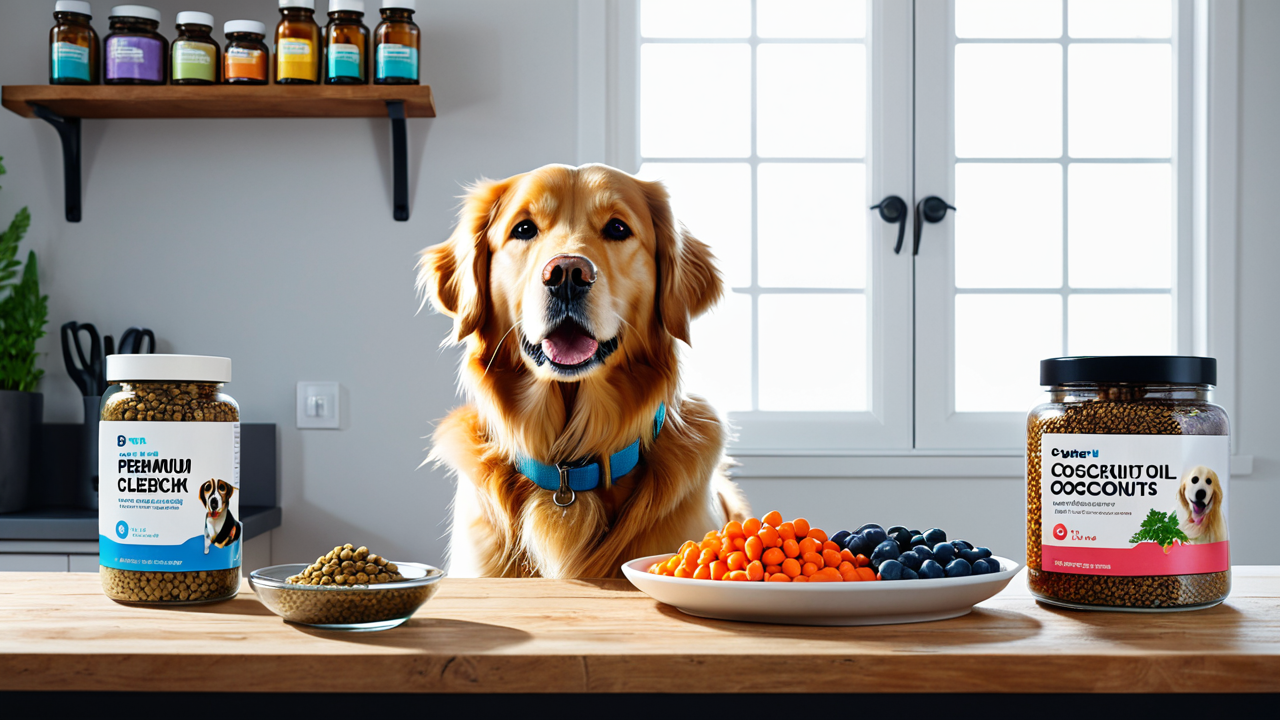
Dog Food vs Alternatives: Which is Better?

Dog Food vs. Alternatives: A Veterinarian's Guide to Optimal Canine Nutrition
Choosing what to feed your dog is one of the most significant decisions you'll make as a pet owner.
The aisles of pet stores and endless online options can be overwhelming, presenting a dizzying array of kibble, cans, raw diets, and homemade meals.
This comprehensive guide will cut through the noise, providing a head-to-head comparison of traditional dog food versus its alternatives.
We'll explore the science, safety, and practicality of each option, empowering you to make the most informed, loving choice for your dog's unique needs.
Understanding the Core of Canine Nutrition
Before diving into comparisons, it's crucial to understand what every dog requires: a balanced, complete diet.
According to the Association of American Feed Control Officials (AAFCO), a complete diet must provide the right proportions of six essential nutrient groups:
1. Proteins: For muscle maintenance, tissue repair, and immune function. 2. Fats: For energy, healthy skin and coat, and absorption of fat-soluble vitamins. 3. Carbohydrates: For readily available energy and digestive health (though requirements are lower than in humans). 4. Vitamins: For metabolic regulation and disease prevention. 5. Minerals: For bone health, nerve function, and enzymatic reactions. 6. Water: The most critical nutrient of all.
Any diet you choose—be it commercial or alternative—must meet these standards to ensure long-term health.
The Contenders: A Breakdown of Your Options
Let's examine the primary categories of canine diets available today.
1. Commercial Dog Food: The Standard Bearer
Commercial diets are formulated by animal nutritionists to be nutritionally complete and balanced. They are rigorously tested, convenient, and consistent.
Types of Commercial Dog Food:
* Dry Food (Kibble): The most popular option. Benefits include dental health (through mechanical scraping), long shelf life, cost-effectiveness, and ease of storage and portioning. * Wet Food (Canned/Pouched): Higher moisture content, which is great for hydration and picky eaters. Often more palatable but can be more expensive per calorie and less beneficial for dental health. * Fresh/Refrigerated: A newer category of lightly cooked, human-grade meals delivered fresh. Offers high palatability and quality ingredients but comes at a premium price and requires refrigeration.
Pros of Commercial Dog Food: * Nutritional Completeness: Formulated to meet AAFCO standards for specific life stages. * Convenience: Easy to store, serve, and measure. * Safety: Undergoes pathogen-killing processes (like extrusion for kibble or retort for wet food). * Cost-Effective: Especially true for dry kibble. * Consistency: Each bag or can has a uniform nutrient profile.
Cons of Commercial Dog Food: * Quality Variance: Ingredients and quality can vary dramatically between budget and premium brands. * Processing: Some processing is necessary for safety and shelf-stability, which may reduce the bioavailability of some nutrients compared to raw. * Additives: May contain preservatives, colors, or flavors (though many high-end brands avoid these).
2. Raw Food Diets: The Ancestral Argument
Raw diets, often called Biologically Appropriate Raw Food (BARF) or prey-model diets, aim to mimic what a dog's ancestors might have eaten. They typically consist of raw muscle meat, organ meat, bone, and sometimes vegetables and supplements.
Pros of Raw Diets: * High Palatability: Most dogs find it extremely tasty. * Potential for Shinier Coats & Smaller Stools: Often reported by advocates. * No Processing: Avoids high-heat cooking that can denature some proteins and vitamins. * Dental Health: Chewing raw meaty bones can help clean teeth.
Cons & Risks of Raw Diets: * Nutritional Imbalance: Homemade raw diets are notoriously difficult to balance correctly. Deficiencies or excesses (especially in calcium/phosphorus) can cause serious health issues. * Bacterial Contamination: Risk of Salmonella, E. coli, and Listeria for both pets and humans in the household. * Parasitic Risk: Potential exposure from raw meat. * Physical Danger: Bones can cause dental fractures, intestinal blockages, or perforations. * Inconvenience & Cost: Requires significant freezer space, preparation time, and is often expensive.
3. Home-Cooked Meals: The Ultimate Control
Home-cooked diets involve preparing cooked meals for your dog from whole ingredients in your kitchen.
Pros of Home-Cooked Diets: * Ingredient Control: You know exactly what is going into your dog's bowl. * Allergy Management: Ideal for dogs with severe food allergies, as you control every component. * Palatability: Freshly cooked food is very appealing to most dogs. * No Additives: Free from artificial preservatives or colors.
Cons & Risks of Home-Cooked Diets: * Nutritional Imbalance: This is the single biggest risk. Creating a balanced diet without expert guidance is nearly impossible and can lead to severe deficiencies over time. * Extremely Time-Consuming: Requires daily or weekly meal prep. * Expensive: Sourcing quality ingredients can cost significantly more than commercial food. * Requires Expert Guidance: Must be formulated by a board-certified veterinary nutritionist.
Head-to-Head Comparison Table
| Feature | Commercial Kibble/Wet | Raw Food Diet (Commercial) | Raw Food Diet (Homemade) | Home-Cooked Diet | | :--- | :--- | :--- | :--- | :--- | | Nutritional Balance | Easiest to achieve (if AAFCO approved) | Possible with commercial pre-mixes | Very difficult, high risk of imbalance | Very difficult, requires veterinary nutritionist | | Convenience | Very High | Moderate (requires thawing) | Low (requires prep & sourcing) | Very Low | | Cost (Monthly) | Low to High | High | High | Very High | | Safety (Pathogens) | Very High (processed) | Moderate Risk | High Risk | High (if meat undercooked) | | Dental Health | Good (Kibble) / Poor (Wet) | Good (with bones) | Good (with bones) | Poor | | Best For | Most dogs, busy households | Owners committed to raw, with vet guidance | Not recommended without expert oversight | Dogs with specific medical needs, under vet guidance |
Top Picks: Our Expert-Recommended Choices
For the vast majority of dog owners, a high-quality commercial diet provides the safest, most complete, and most convenient path to excellent health. Here is our top recommendation that exemplifies the best of what commercial nutrition offers.
Best Overall Dry Food: Blue Buffalo Life Protection Formula
For a balanced, natural, and highly-rated option that supports overall wellness, we recommend the Blue Buffalo Life Protection Formula Adult Dry Dog Food, Chicken & Brown Rice Recipe.
* Price: $13.33 (5-lb bag) * Rating: 4.7 out of 5 stars
Why It's a Top Choice:
This formula stands out as an excellent example of a complete commercial diet.
It starts with real, high-quality chicken as the first ingredient to help build and maintain strong muscles.
It includes Blue Buffalo's exclusive LifeSource Bits—a precise blend of antioxidants, vitamins, and minerals carefully selected by holistic veterinarians and animal nutritionists to support immune system health, life stage requirements, and a healthy oxidative balance.
Key Benefits: * Made with Natural Ingredients: Enhanced with vitamins and minerals, it contains no chicken (or poultry) by-product meals, corn, wheat, or soy. * Supports Whole-Body Health: Promotes healthy skin and coat, strong muscles, and strong bones and teeth. * Wholesome Whole Grains: Includes brown rice and barley, which are excellent sources of digestible energy. * Trust & Transparency: Blue Buffalo is a leader in pet food safety and ingredient integrity.
This food provides the nutritional assurance of AAFCO-complete feeding, coupled with the quality ingredients many pet parents seek, making it a fantastic cornerstone for your dog's diet.
Actionable Advice: How to Choose What's Right for YOUR Dog
1. Start with Your Veterinarian: Always discuss your dog's diet with your vet. They understand your dog's health history, breed predispositions, age, and activity level. 2. Life Stage Matters: Puppies, adults, seniors, and pregnant/nursing dogs have vastly different nutritional needs. Choose a food formulated for your dog's specific stage. 3. Read the Label: Look for the AAFCO statement ("...formulated to meet the nutritional levels established by the AAFCO Dog Food Nutrient Profiles..."). This is non-negotiable for a primary diet. 4. Consider Special Needs: Dogs with allergies, kidney disease, diabetes, or obesity may require prescription or specially-formulated diets. 5. If You Go Alternative, Do It Safely: * For Raw/Home-Cooked: Consult a board-certified veterinary nutritionist (find one at acvn.org). They can formulate a balanced recipe tailored to your dog. * Use Commercial Pre-Mixes: If committed to raw or home-cooked, consider using a commercially prepared base mix designed by nutritionists to be balanced when combined with a protein source. * Prioritize Hygiene: Practice impeccable food safety: wash hands, bowls, and surfaces thoroughly. 6. Transition Slowly: Whenever changing diets, mix the new food with the old over 7-10 days to avoid gastrointestinal upset.
Frequently Asked Questions (FAQ)
Q1: Is grain-free food better for my dog? A: For the majority of dogs, no.
Grains like rice, oats, and barley are healthy sources of nutrients and energy.
Grain-free diets became popular due to unfounded fears about allergies.
Importantly, the FDA has investigated a potential link between certain grain-free diets (high in legumes/potatoes) and a heart condition called Dilated Cardiomyopathy (DCM).
Unless your dog has a diagnosed grain allergy (which is rare), a diet containing wholesome grains is a safe and healthy choice.
Q2: My dog is a picky eater. Should I switch to a more palatable alternative like raw or home-cooked? A: First, rule out medical issues with your vet.
For picky eaters, you can often enhance a balanced commercial diet.
Try adding a tablespoon of wet food, a dog-safe broth, or a probiotic topper to their kibble.
Switching to a more palatable but unbalanced alternative can create a nutritional deficiency and reinforce finicky behavior.
Q3: How can I tell if my dog's current diet is working for them? A: Look for these signs of good health: a shiny coat, clean skin, consistent energy levels, firm and regular stools, maintaining a healthy weight, and good dental health.
If you see dull fur, flaky skin, lethargy, digestive issues, or weight changes, it may be time to re-evaluate their food with your vet.
Q4: Are "human-grade" ingredients in dog food worth the extra cost? A: "Human-grade" is a regulatory term meaning the entire product is legally edible and approved for human consumption.
It often indicates higher quality control and ingredient sourcing.
While it can be a marker of a premium product, a dog food with high-quality, feed-grade ingredients that is AAFCO-complete is still an excellent diet.
The choice depends on your budget and personal values regarding ingredient sourcing.
Q5: Can I mix commercial kibble with raw or home-cooked food? A: This is generally not recommended.
The digestive enzymes and pH levels required for kibble versus raw food differ, which can lead to gastrointestinal distress.
Furthermore, it complicates achieving a balanced diet.
If you wish to supplement, it's safer to use commercial meal toppers or mix kibble with a little wet food from the same brand.
If you are determined to mix diet types, a consultation with a veterinary nutritionist is essential.
Q6: What's the single most important thing to look for on a dog food label? A: The AAFCO statement of nutritional adequacy.
This tells you the food has been formulated or tested to provide complete and balanced nutrition for a specific life stage (e.g., "for adult maintenance," "for growth," or "for all life stages").
Without this, you cannot be sure the diet meets your dog's basic needs.
The Final Bowl
The debate between dog food and alternatives isn't about finding a single "best" option for all dogs, but about finding the safest and most nutritionally complete option for your dog.
For most pets and pet parents, high-quality commercial diets—like our top pick, Blue Buffalo Life Protection Formula—offer an unbeatable combination of scientific balance, safety, and convenience.
If you are drawn to alternative diets like raw or home-cooked meals, your commitment to your dog's well-being is clear.
Channel that commitment into doing it safely: partner with a veterinary nutritionist to formulate a balanced plan.
Your dog's vibrant health, energy, and longevity are the ultimate goals, and they are achieved not through trends, but through science-backed, love-filled nutrition.