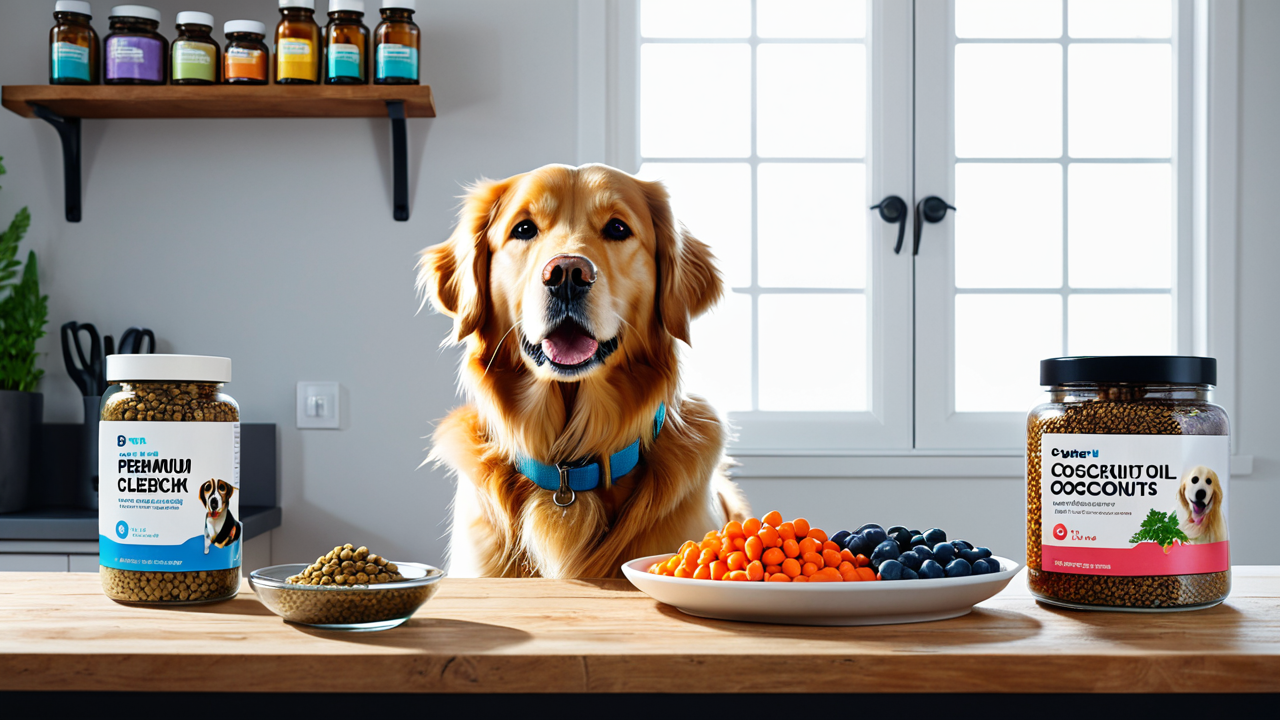
Are Dog Food Safe? Benefits & Risks Explained

Is Your Dog's Food Safe? A Complete Guide to Choosing Healthy, Nutritious Meals
For every devoted pet owner, the question "are dog food safe?" is more than just a queryβit's a deep-seated concern about the well-being of a beloved family member.
The safety of commercial dog food is a complex topic, influenced by ingredients, manufacturing processes, brand integrity, and your individual dog's needs.
While the vast majority of dog foods on the market are safe and regulated, being an informed consumer is your best defense.
This comprehensive guide will walk you through everything you need to know to confidently select safe, nutritious, and high-quality food for your canine companion, ensuring they thrive for years to come.
Understanding Dog Food Safety: Regulations and Risks
In the United States, dog food is regulated at both the federal and state levels.
The Center for Veterinary Medicine (CVM), a branch of the Food and Drug Administration (FDA), oversees animal food.
The Association of American Feed Control Officials (AAFCO) provides the nutritional standards and definitions that most states adopt into law.
However, regulation doesn't eliminate all risk. Key safety concerns include:
Contaminants: These can be biological (like Salmonella or E. coli*), chemical (mycotoxins from mold, heavy metals), or physical (plastic, metal fragments). * Nutritional Imbalance: Food that doesn't meet AAFCO standards for "complete and balanced" nutrition can lead to severe health issues over time. * Mislabeling: Inaccurate ingredient lists or nutritional guarantees mislead consumers. * Recall Events: While recalls show the system working, they highlight potential vulnerabilities in the supply chain.
How to Vet Your Dog's Food: A Step-by-Step Safety Checklist
You don't need a veterinary degree to make smart choices. Follow this actionable checklist to assess any dog food's safety profile.
1. Decipher the Label Like a Pro
The label is your first line of defense. Look for these key elements:
* AAFCO Statement: This is non-negotiable. It should state the food is "formulated to meet the nutritional levels established by the AAFCO Dog Food Nutrient Profiles" for a specific life stage (e.g., growth, adult maintenance, all life stages). * Ingredient List: Ingredients are listed by weight pre-processing. Look for a named animal protein as the first ingredient (e.g., "deboned chicken," not just "meat" or "poultry"). Be wary of excessive vague terms and a long list of artificial preservatives (BHA, BHT, ethoxyquin) and colors. * Guaranteed Analysis: This shows the minimum or maximum levels of key nutrients like protein, fat, fiber, and moisture. Use it to compare foods, but remember it doesn't show ingredient quality.
2. Research the Brand's Reputation
A trustworthy brand is transparent and invests in safety.* Who Makes It? Is it manufactured by the brand itself in its own facility, or by a third-party co-packer? Brands with their own facilities often have tighter quality control. * Testing Protocols: Do they conduct frequent testing for contaminants? This information is often found on a brand's "Quality & Safety" webpage. * Recall History: A single, responsibly handled recall isn't always a red flag. A pattern of recalls, or a brand that is not transparent about them, is a major concern. * Veterinary Involvement: Do they employ veterinary nutritionists on staff to formulate their diets?
3. Choose the Right Form for Your Dog
Safety also means choosing a format that fits your dog's health and your lifestyle.
* Dry Food (Kibble): Convenient, cost-effective, and good for dental health. The cooking process (extrusion) kills pathogens. Ensure it's stored in a cool, dry place to prevent fat rancidity. * Wet Food (Canned/Pouched): Higher moisture content is great for hydration and picky eaters. Once opened, it must be refrigerated and used within a few days to prevent bacterial growth. * Raw Food (Commercial or Homemade): This category carries the highest potential risk for bacterial contamination for both pets and humans. Vets generally recommend extreme caution. If you choose this route, opt for commercially prepared raw diets that use High-Pressure Pasteurization (HPP) to kill pathogens without cooking, and follow strict hygiene protocols.
4. Practice Safe Storage and Handling
Even the safest food can become dangerous if stored improperly.
* Keep kibble in its original bag, placed inside an airtight container. The bag has important lot code information in case of a recall. * Store food in a cool, dry placeβnot a humid garage or shed. * Wash food and water bowls daily with hot, soapy water. * Always wash your hands after handling pet food.
Spotlight on Top Picks: Safe & Nutritious Choices
Based on rigorous evaluation of ingredient quality, brand reputation, AAFCO compliance, and consumer feedback, here are our top recommendations that prioritize safety and nutrition.
Our Top Overall Pick for Balanced Nutrition
Blue Buffalo Life Protection Formula Adult Dry Dog Food, Chicken & Brown Rice Recipe
* Price: $13.33 (5-lb bag) * Rating: 4.7 out of 5 stars
This formula stands out for its commitment to transparent, natural ingredients and balanced nutrition, making it a superb choice for safety-conscious owners.
Why We Recommend It for Safety: * Real Meat First: Deboned chicken is the #1 ingredient, providing high-quality protein for strong muscles. * Wholesome Whole Grains: Includes brown rice and barley for digestible energy, avoiding the potential risks associated with some grain-free diets (like those linked to Dilated Cardiomyopathy (DCM) in certain dogs). * Excludes Common Irritants: Contains NO chicken (or poultry) by-product meals, NO corn, wheat, or soy, and NO artificial preservatives or colors. * LifeSource Bits: A standout feature, these are cold-formed kibble bits containing a precise blend of antioxidants, vitamins, and minerals to support immune system health and oxidative balance. * Clear Life Stage Formulation: It is specifically formulated to meet AAFCO guidelines for the maintenance of adult dogs.
This food exemplifies a balanced approach, using natural ingredients to deliver complete nutrition without unnecessary fillers or artificial additives, aligning with what vets often recommend for long-term health.
Beyond Kibble: Considering Wet and Raw Options
While our top pick is a dry food, understanding all formats is key.
For Wet Food: Look for the same label standards. High-quality wet foods will have named meat, organ, or fish sources at the top of the list. They are excellent for senior dogs, dogs with dental issues, or those who need encouragement to drink more water.
The Raw Food Conversation: The debate is significant. Proponents cite shinier coats, higher energy, and smaller stools. Critics, including many veterinarians, point to the risks of bacterial infection (Salmonella, Listeria) and potential for nutritional imbalance in homemade recipes. If you are considering raw, a commercial, nutritionally complete, and HPP-treated diet is the safest path. Always consult your veterinarian first, especially for puppies, seniors, or immunocompromised dogs.
Special Considerations: Allergies, Age, and Breed
Safety means the right food for your specific dog.
* Food Allergies & Sensitivities: True allergies are less common than sensitivities. Common culprits are beef, dairy, chicken, wheat, egg, and soy. An elimination diet supervised by a vet is the only reliable way to diagnose a food allergy. Limited-ingredient diets can be a safer choice for sensitive dogs. * Life Stage: Puppies, adults, and seniors have different nutritional requirements. Feeding a puppy an adult maintenance food, for example, can deprive it of crucial nutrients for growth. * Breed Size: Large breed puppies need controlled calcium and phosphorus for proper joint development, while small breeds may benefit from smaller kibble size.
Red Flags: When to Be Concerned
Be alert to these potential warning signs:
* Your Dog's Reaction: Sudden vomiting, diarrhea, itching, or lethargy after a diet change can indicate an adverse reaction. * The Food Itself: Visible mold, bugs, an off-odor, or a change in kibble texture/color. * The Brand's Opacity: No contact information, unwillingness to share where food is made, or no information on quality testing.
If you suspect the food is making your dog ill, stop feeding it immediately, save the bag and a sample of the food, and contact your veterinarian and the FDA Consumer Complaint Coordinator.
Frequently Asked Questions (FAQ)
Q1: Are grain-free dog foods safe? A: This is a critical topic.
Following FDA investigations into a potential link between certain grain-free diets and canine heart disease (DCM), vets recommend caution.
If your dog doesn't have a diagnosed grain allergy, there is no proven health benefit to going grain-free.
Diets with healthy whole grains like brown rice, oats, or barley are often a safer, well-researched choice for most dogs.
Q2: How often do dog food recalls happen, and how can I stay informed? A: Recalls are relatively uncommon but do happen.
The best way to stay informed is to subscribe to email alerts from the FDA's pet food recall list and follow your dog food brand's social media channels.
Always keep your food's lot number in case a recall is issued.
Q3: Is human-grade dog food safer? A: "Human-grade" is a legal term meaning the food and its ingredients are edible and approved for human consumption, and it was manufactured in a facility approved for human food.
This generally implies stricter safety and hygiene standards, which can mean a lower risk of contamination.
However, it doesn't automatically mean the recipe is more nutritious for a dog.
It is often a marker of higher quality and safety.
Q4: What's safer: a popular brand or a boutique brand? A: Safety isn't determined solely by size. A large, established brand typically has extensive feeding trials and robust quality control systems. A smaller boutique brand might use higher-quality ingredients but could have less consistent manufacturing.
Research is key.
Look for AAFCO statements, transparency, and a strong safety record regardless of brand size.
Q5: Are by-products in dog food unsafe? A: Not necessarily.
In the context of dog food, "by-products" (like liver, lungs, heart) are often highly nutritious and palatable for dogs.
The concern arises with low-quality, unspecified by-products (e.g., "meat by-products").
High-quality brands will specify the source, like "chicken by-products." They can be a safe and valuable part of a balanced diet.
Q6: How long is an opened bag of dry dog food safe to use? A: For optimal freshness and nutrient integrity, use an opened bag of kibble within 4-6 weeks. Always check the "best by" date on the bag before purchasing and feeding.
Final Thoughts: Empowering Your Choice
The question "are dog food safe?" ultimately has a hopeful answer: Yes, when you are an active, informed participant in your dog's nutrition. By learning to read labels, researching brands, understanding your dog's unique needs, and practicing safe storage, you can dramatically reduce risks and provide a foundation for a long, healthy, and happy life together.
Start with trusted, transparent brands that prioritize real ingredients and rigorous testing, like our top pick, Blue Buffalo Life Protection Formula.
Always partner with your veterinarian, especially when considering a major dietary change.
Your diligence is the most important ingredient in your dog's bowl.