Fish Tank Supplies Buying Guide: What You Need to Know
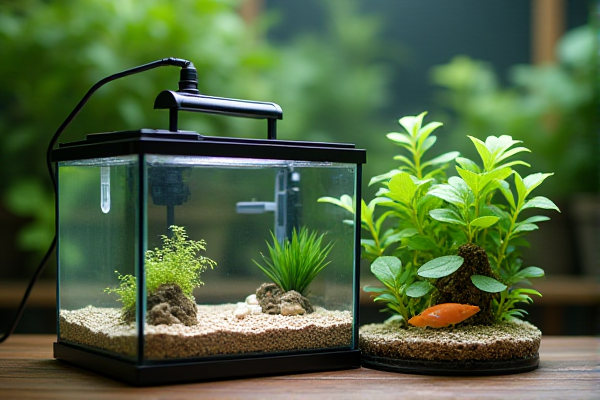
The Ultimate Fish Tank Supplies Buying Guide: Building a Thriving Underwater World
Welcome to the wonderful, calming world of aquarium keeping!
Whether you're dreaming of a vibrant community tank, a serene betta paradise, or a slice of the ocean in your living room, success starts with the right equipment.
This comprehensive guide is your roadmap to selecting the perfect fish tank supplies.
We’ll move beyond the basics to ensure you create a healthy, stable, and beautiful environment for your aquatic friends.
The well-being of your fish depends on a carefully balanced ecosystem, and that begins with informed choices.
Why the Right Supplies Are Non-Negotiable for Fish Health
An aquarium is more than a glass box of water; it's a complex, closed-loop ecosystem.
Your fish rely entirely on you to replicate the clean water, stable parameters, and natural processes they need to thrive.
The correct supplies don't just make your tank look good—they perform the vital functions of waste processing, gas exchange, and habitat simulation.
Investing in quality equipment from the start prevents stress, disease, and heartbreak, leading to vibrant, active fish and a low-maintenance hobby you can truly enjoy.
Your Step-by-Step Fish Tank Setup Buying Checklist
Follow this sequence to build your aquarium system logically and effectively.
Step 1: The Foundation – Choosing Your Aquarium Tank
The tank is the centerpiece. Size and placement are your first critical decisions. * Size Matters: Always buy the largest tank your space and budget allow. A larger volume of water (e.g., 20 gallons vs. 5 gallons) is more forgiving, as waste dilutes more easily and water parameters (like temperature and pH) stay stable. This is crucial for beginner success. * Material: Glass is scratch-resistant and affordable. Acrylic is lighter and clearer but scratches easily. * Shape: Standard rectangles offer the greatest surface area for oxygen exchange. Tall, narrow tanks may look striking but offer less swimming space and gas exchange. * Placement: Set up your tank on a dedicated, level aquarium stand rated for its weight (water weighs ~8.3 lbs per gallon!). Avoid direct sunlight to prevent rampant algae growth.
Step 2: Life Support – Filtration Systems
The filter is the heart of your aquarium's life support. It provides mechanical, chemical, and most importantly, biological filtration—housing beneficial bacteria that convert toxic ammonia from fish waste into less harmful substances. * Filter Types: * Hang-On-Back (HOB): Excellent for beginners. Easy to maintain and effective for most community tanks. * Canister Filters: The gold standard for larger tanks (40+ gallons). Superior mechanical and biological filtration, with customizable media. Quieter and hidden in the stand. * Sponge Filters: Ideal for breeding tanks, hospital tanks, and small setups like betta tanks. Powered by an air pump, they provide gentle flow and fantastic biological filtration. Key Spec: Ensure your filter is rated for your tank's total gallonage*. For heavily stocked tanks, consider a filter rated for the next size up.
Step 3: Climate Control – Heaters & Thermometers
Most tropical fish require stable, warm water. Sudden temperature swings are a major source of stress. * Heater: Use a submersible heater with an adjustable thermostat. The rule of thumb is 3-5 watts per gallon of water. Always use a heater guard with curious or large fish. * Thermometer: A must-have! Never guess the temperature. Use a reliable digital or glass thermometer placed away from the heater for an accurate reading.
Step 4: Creating Breathable Water – Aeration & Water Movement
Oxygen enters the water and carbon dioxide escapes at the surface. Proper water movement is key. * Air Pumps & Stones: Air pumps drive air stones or bubble wands, creating surface agitation for gas exchange and adding visual interest. Essential for sponge filters. * Powerheads/Wavemakers: Used in larger tanks or reef setups to create directional flow, preventing dead spots where debris and detritus can accumulate.
Step 5: The Right Light for Life & Growth
Lighting affects everything from plant growth to fish colors and algae control. * Purpose: Is your tank fish-only, planted, or a reef? Match the light intensity and spectrum to your inhabitants. * LED Lights: The modern standard. Energy-efficient, long-lasting, and often programmable for sunrise/sunset cycles. Avoid leaving lights on for more than 8-10 hours daily to curb algae.
Step 6: The Living Landscape – Substrate & Decor
This is where you create a natural environment that makes your fish feel secure. * Substrate: Gravel, sand, or planted tank soil. Rinse thoroughly before adding! Sand is preferred for bottom-dwellers like corydoras, while specialized soils are needed for demanding live plants. * Decor & Plants: Provide hiding places to reduce fish stress. Use aquarium-safe rocks (like lava rock, dragon stone), driftwood (often needs pre-soaking), and caves. Live plants are not just decorative; they absorb nitrates, provide oxygen, and harbor beneficial microbes. Start with easy species like Java Fern or Anubias.
Step 7: Essential Maintenance Supplies
Proactive maintenance is the secret to a healthy tank. Never use soaps or household cleaners. * Gravel Vacuum/Siphon: For weekly partial water changes (typically 15-25%). * Algae Scrapers/Magnetic Cleaners: For keeping the viewing panes clear. * Water Conditioner: This is critical. It instantly neutralizes chlorine, chloramines, and heavy metals in tap water. Must be used every time you add new water. * Test Kits: You cannot manage what you do not measure. A liquid master test kit (API Freshwater Master Test Kit is a industry staple) is far more accurate than test strips. It allows you to monitor Ammonia, Nitrite, Nitrate, and pH. * Fish Nets & Buckets: Dedicate buckets solely to aquarium use.
Step 8: Nutrition – Quality Fish Food
A varied, high-quality diet supports immune health and vibrant colors. * Staple Diet: Use a high-quality flake, pellet, or microgranule food appropriate for your fish's size and species (e.g., herbivore vs. carnivore). * Supplementation: Offer frozen or live foods (like brine shrimp, bloodworms) and vegetable matter (blanched zucchini) as treats 1-2 times a week. * Feeding Rule: Feed only what your fish can consume in 2 minutes, once or twice a day. Overfeeding is a leading cause of poor water quality.Top Picks: Recommended Supplies for a Stellar Start
Based on reliability, value, and effectiveness for a beginner to intermediate aquarist, here are our top recommendations.
* Aqueon LED Aquarium Starter Kit - A fantastic all-in-one solution for beginners. This kit often includes a tank, filter, LED light, and heater, taking the guesswork out of initial setup. Available in various sizes; we recommend the 20-gallon as a perfect starting point. * Seachem Prime Water Conditioner - The gold standard in water conditioning. It's highly concentrated, detoxifies ammonia and nitrite in emergencies, and is a must-have for every aquarist's cabinet. * Fluval Canister Filter (07 Series) - For those setting up a larger, planted, or cichlid tank, this canister filter offers silent operation, superb multi-stage filtration, and self-priming for easy maintenance. * Eheim Jager Aquarium Thermostat Heater - A trusted, accurate, and durable submersible heater. Its patented shatterproof glass and precise calibration give peace of mind. * API Freshwater Master Test Kit - This comprehensive liquid test kit is accurate, cost-effective per test, and provides the essential data you need to monitor your tank's nitrogen cycle and overall health. * Hikari Micro Pellets - A superior staple food for small to medium tropical fish. Formulated for optimal nutrition and minimal water clouding, promoting health and color.
Special Considerations: Betta Fish Care Supplies
Betta fish (Siamese Fighting Fish) have specific needs often misunderstood. * Tank: Minimum 5 gallons, heated (78-80°F) and filtered. They are not "bowl fish." * Filter: Use a gentle filter with an adjustable flow or a simple sponge filter. Bettas are poor swimmers and hate strong currents. * Decor: Silk or live plants are essential. Plastic plants can tear their delicate fins. Provide broad leaves (like a betta hammock) near the surface for resting. * Food: High-protein betta-specific pellets or flakes, supplemented with occasional frozen or live foods.
FAQ: Your Fish Tank Supplies Questions, Answered
Q: What is the single most important piece of equipment for a new aquarium? A: While all are important, the filter is the most critical for long-term success. It houses the beneficial bacteria that keep the water safe from toxic ammonia and nitrite. Without a cycled filter, you cannot have a healthy, stable aquarium.
Q: How long should I wait after setting up my tank before adding fish? A: You must complete the nitrogen cycle (often called "cycling"), which establishes the beneficial bacteria in your filter.
This process can take 4-8 weeks.
You can cycle with a pure ammonia source or by adding a small amount of fish food daily.
Never add all your fish at once to a new tank.
Q: Can I mix and match supplies from different brands? A: Absolutely. In fact, most experienced aquarists create a "best-of" system. Just ensure compatibility (e.g., a heater's wattage is sufficient for your tank size, filter media fits your chosen filter).
Q: How often do I need to change the filter media? A: Do not change all filter media at once! This throws away your essential bacteria colony.
Rinse mechanical media (sponges, floss) in old tank water removed during a water change every few weeks.
Replace chemical media (carbon, phosphate pads) as per the manufacturer's instructions.
Biological media (ceramic rings, bio-balls) should rarely, if ever, be replaced—just gently rinsed if clogged.
Q: Is a lid necessary for my fish tank? A: Highly recommended. A lid reduces evaporation, prevents dust and contaminants from entering, and most importantly, stops fish from jumping out. Many species, including bettas and tetras, are known jumpers.
Q: My water is cloudy after setup. What did I do wrong? A: Don't panic! A bacterial bloom (white haze) is common in a new, cycling tank. A green haze could be an algae bloom.
Ensure you are not overfeeding, that your tank isn't in direct sunlight, and perform regular, small water changes.
Patience and consistent maintenance are key—avoid the temptation to constantly tear down and restart.
Embarking on your aquarium journey is an exciting commitment.
By choosing your fish tank supplies with care and knowledge, you lay the foundation for a captivating, living masterpiece that will bring you years of tranquility and joy.
Remember, the effort you put into research and setup is an investment in the health and happiness of your future aquatic pets.
Happy fishkeeping