Cat Supplies Buying Guide: What You Need to Know

The Ultimate Cat Supplies Buying Guide: Purr-fect Products for Your Feline Friend
Bringing a cat into your home is a joyful commitment, and ensuring you have the right supplies is the first step toward a happy, healthy life together.
Whether you're a first-time kitten parent or a seasoned cat owner looking to optimize your setup, navigating the world of cat products can be overwhelming.
This comprehensive cat supplies buying guide cuts through the clutter.
We’ll walk you through every essential category, from the litter box to the treat jar, with practical advice and specific, top-rated product recommendations to ensure your cat’s well-being is always the top priority.
The Essential Cat Supplies Checklist: Getting Started
Before you bring your new companion home, having these foundational items ready will create a smooth transition and a safe, welcoming environment.
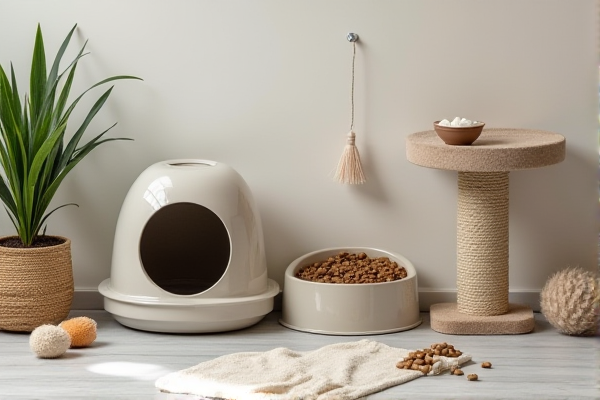
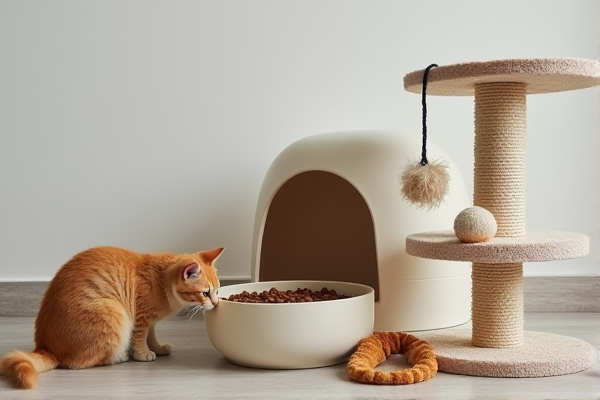
Absolute Must-Haves: * Food & Water Bowls: Opt for stainless steel, ceramic, or lead-free glass. They are easier to clean and prevent feline acne, which can be caused by plastic. * High-Quality Cat Food: Consult your vet for dietary recommendations based on age (kitten, adult, senior) and health. Look for named meat proteins as the first ingredients. * Litter Box & Litter: The rule of thumb is one litter box per cat, plus one extra. Place them in quiet, low-traffic areas. * Cat Carrier: A sturdy, secure carrier is non-negotiable for safe travel to the vet or in case of emergency. * Scratching Posts & Pads: These are not optional; they are a biological need for cats to stretch, mark territory, and maintain claw health. * Grooming Supplies: A brush suitable for your cat's coat length and nail clippers designed for cats. * Bedding: A soft, warm bed in a cozy corner gives your cat a secure retreat. * Interactive Toys: Stimulate your cat's natural hunting instincts with wand toys, puzzle feeders, and balls.
Deep Dive: Choosing the Right Products for Your Cat's Health & Happiness
1. The Litter Box Lowdown: Odor Control, Clumping, and Your Cat’s Preference
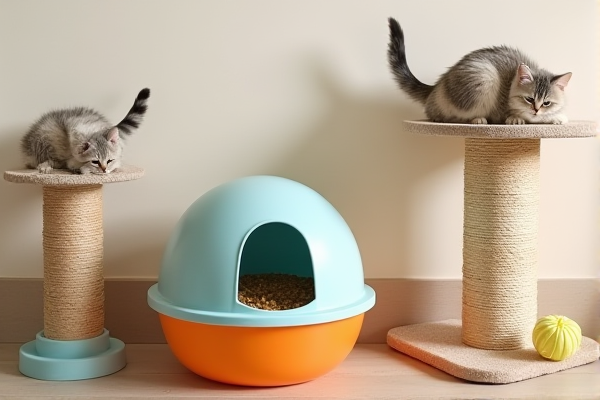
The litter box is arguably the most critical supply for harmonious cohabitation. Your choice depends on your cat's preferences, your household's needs (like multi-cat dynamics or odor control), and your maintenance routine.
Types of Litter: * Clumping Clay: The most popular choice. Forms solid clumps for easy waste removal. Excellent for odor control. * Non-Clumping Clay: Less expensive but requires more frequent full changes. * Silica Gel (Crystal): Highly absorbent and offers long-lasting odor control with less dust. * Natural/Biodegradable: Made from pine, corn, wheat, or paper. Often low-dust and eco-friendly, but clumping ability varies.
Key Considerations: * Dust: Low-dust formulas are better for both feline and human respiratory systems. * Scent: Many cats (and owners) prefer unscented litter, as heavy perfumes can deter cats from using the box. * Tracking: Litter mats can help contain granules around the box area. * Clump Strength: A firm, quick-clumping litter makes daily scooping effortless and prevents box odor.
#### Our Top Litter Picks:
For Multi-Cat Households & Powerful Odor Control: ARM & HAMMER Clump & Seal SLIDE Platinum Multi-Cat Clumping Cat Litter * Price: $17.99 for 18 lbs * Rating: 4.6 out of 5 stars * Why We Recommend It: This litter leverages EZ Clean Technology to create hard clumps that literally slide off the box, making cleaning a breeze. Its 14-day odor control guarantee is a game-changer for multi-cat homes, and the low-dust formula keeps the air cleaner. It’s a premium choice for those seeking a hassle-free, high-performance litter.
Best Value & Reliable Performance: Fresh Step Clumping Cat Litter, Multi-Cat with Activated Charcoal * Price: $10.49 for 14 lb * Rating: 4.6 out of 5 stars * Why We Recommend It: A trusted name for a reason. The added activated charcoal provides superior odor absorption, making it a fantastic choice for small spaces or homes with multiple cats. It’s a consistently reliable, clumping litter with a low-dust formula that offers great performance at a mid-range price point.
Top Choice for Sensitive Cats (Unscented & Low Dust): Dr. Elsey's Ultra UnScented Clumping Clay Cat Litter * Price: $22.99 for 40 lb * Rating: 4.3 out of 5 stars * Why We Recommend It: Veterinarian-formulated, this litter is a godsend for cats and owners sensitive to fragrance. Its 99.9% dust-free formula is excellent for respiratory health, and the ultra-hard clumping makes maintenance simple. Buying in the large 40 lb bag offers significant value for single or multi-cat households that prioritize a natural, unscented environment.
2. Nutrition & Hydration: Beyond the Bowl
A balanced diet is the cornerstone of your cat’s health. Always choose food appropriate for your cat’s life stage.
* Wet vs. Dry Food: Many vets recommend incorporating wet food into the diet for its higher moisture content, which supports urinary tract health. Dry food can be left out for free-feeding (if weight is not an issue) and helps with dental health. * Treats as Tools: Use treats for training, bonding, or as a high-value reward. However, treats should not exceed 10% of your cat’s daily caloric intake. * Hydration: Cats have a low thirst drive. Consider a cat water fountain, as many felines prefer running water, which can encourage them to drink more.
#### Our Top Treat Pick:
The Irresistible, Hydrating Reward: INABA Churu Cat Treats, Grain-Free Lickable Purée * Price: $32.96 for 50 tubes (0.5 oz each) * Rating: 4.8 out of 5 stars * Why We Recommend It: These squeezable, lickable treats are a feline favorite worldwide. Perfect as a high-value reward, a bonding tool, or a food topper for picky eaters. They are grain-free, contain essential supplements like Vitamin E and Taurine, and have a high moisture content, which aids in hydration. The convenient tube format allows for easy, mess-free feeding.
3. Grooming & Hygiene: More Than Just Looking Good
Regular grooming strengthens your bond, reduces hairballs, and allows you to check for skin issues, lumps, or parasites.
* Brushing: Short-haired cats benefit from a weekly brush with a rubber grooming tool or fine-bristle brush. Long-haired cats require daily brushing with a slicker brush and metal comb to prevent painful mats. * Nail Trimming: Trim claws every 1-2 weeks using cat-specific clippers. Avoid the quick (the pink vein inside the nail). * Ear & Eye Cleaning: Check weekly. Gently wipe away any debris from the outer ear with a vet-approved solution and a cotton ball—never use Q-tips. Use a damp, soft cloth for the corners of the eyes. * Bathing: Most cats rarely need baths. If necessary, use a cat-formulated shampoo and ensure a calm, warm environment.
#### Our Top Hygiene Pick:
The All-Purpose Cleanup Essential: Earth Rated Pet Wipes for Dogs and Cats, Unscented * Price: $9.98 for 100 count * Rating: 4.6 out of 5 stars * Why We Recommend It: These hypoallergenic, unscented wipes are incredibly versatile and gentle. They are perfect for quick clean-ups—wiping muddy paws after outdoor adventures, freshening up your cat’s coat, or handling minor messes. Made with aloe, lanolin, and vitamin E, they clean while being kind to your pet’s skin. A must-have for any pet owner's cabinet.
4. Enrichment & Comfort: Feeding the Body and Mind
A bored cat can become a destructive or anxious cat. Environmental enrichment is key to preventing behavioral issues.
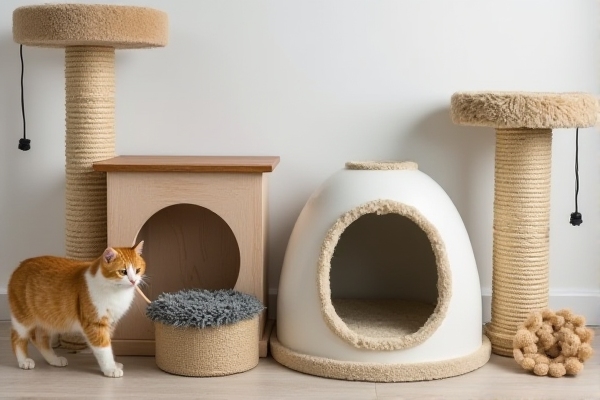
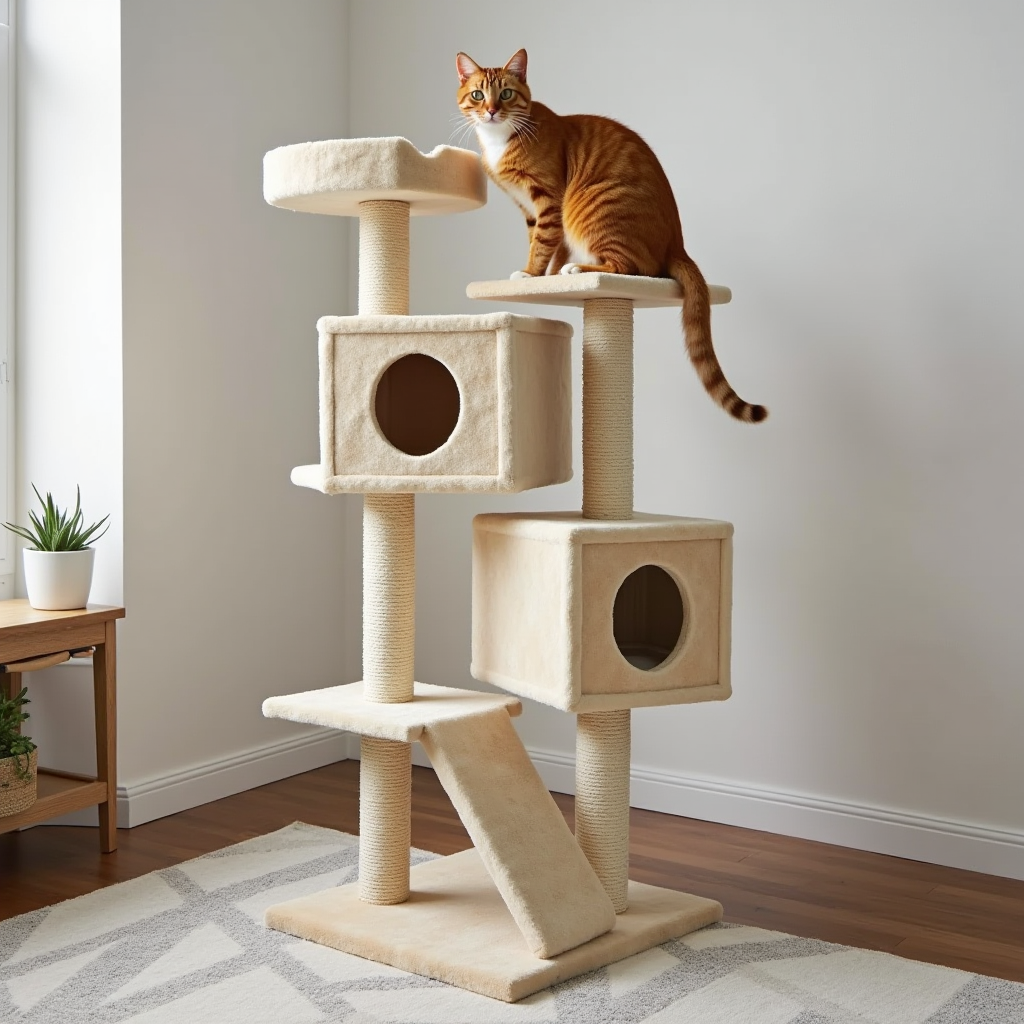
* Vertical Space: Cats feel safe when they can survey their domain. Cat trees, wall shelves, and window perches are excellent investments. * Play & Prey Simulation: Dedicate 10-15 minutes, twice daily, to interactive play with wand toys that mimic prey (feathers, strings). This satisfies their hunting instinct and provides healthy exercise. * Safe Hideaways: Provide cozy, enclosed beds or even simple cardboard boxes where your cat can retreat and feel secure.
Step-by-Step: Setting Up Your Cat's First Space
1. Choose a "Home Base": Select a quiet room (like a spare bedroom or bathroom) for your cat's first few days. This reduces overwhelming stimuli. 2. Set Up the Essentials: Place the litter box on one side of the room and food/water bowls on the opposite side. Add a comfortable bed and a hiding spot. 3. Introduce Gradually: Let your cat explore the home base at their own pace. Sit quietly in the room, offering gentle conversation and treats. 4. Expand Access: After a few days, open the door and allow your cat to explore the rest of the home gradually, ensuring they always know how to return to their safe room. 5. Establish Routine: Feed, play, and groom at consistent times each day. Cats thrive on predictability.
Cat Supplies Buying Guide: Final Checklist
- [ ] Food & Water: Bowls (stainless/ceramic), age-appropriate food, water fountain (optional).
- [ ] Litter System: Litter box(es) (n+1), high-quality clumping litter, scoop, mat.
- [ ] Health & Safety: Secure cat carrier, vet contact, first-aid kit, grooming brush, nail clippers.
- [ ] Comfort: Comfortable bed, blanket, hiding places (cat tree/cave).
- [ ] Enrichment: Scratching post(s), interactive wand toys, puzzle feeders, assorted small toys.
- [ ] Care Supplies: Pet-safe cleaning supplies, hygiene wipes, toothbrush & toothpaste (if training).
- [ ] Extras: Collar with breakaway buckle & ID tag, microchip registration updated.
---
---
Frequently Asked Questions (FAQ)
Q1: What are the must-have cat supplies for a new cat owner? A: Essential cat supplies include: 1) Litter box and high-quality litter, 2) Food and water bowls (ceramic or stainless steel), 3) Age-appropriate cat food, 4) Scratching post or cat tree, 5) Carrier for vet visits, 6) Collar with ID (breakaway for safety), 7) Grooming tools, 8) Toys, and 9) A comfortable bed.
Q2: How much does it cost to buy initial cat supplies? A: Initial cat supplies typically cost $150-400. A quality litter box ($20-60), litter, scratching post ($30-150), bowls ($15-40), carrier ($30-80), and bed ($20-60) are the main expenses.
Q3: Do cats really need scratching posts and cat trees? A: Yes, scratching posts and cat trees are essential. Scratching is a natural, instinctual behavior. Without appropriate scratching surfaces, cats will scratch furniture and walls. A sturdy scratching post at least as tall as your cat when stretched out is recommended.
Q4: What type of litter box is best for cats? A: The best litter box is generally one that is large enough for your cat to comfortably turn around in. For most cats, an open, uncovered box is preferred. The box should be 1.5 times the length of your cat.
Q5: How often should I replace cat supplies? A: Litter boxes should be replaced every 1-2 years or sooner if scratched or retaining odors. Stainless steel and ceramic bowls can last years. Scratching posts last 6 months to 2 years.
Frequently Asked Questions
What are the must-have cat supplies for a new cat owner?
Essential cat supplies include: 1) Litter box and high-quality litter, 2) Food and water bowls (ceramic or stainless steel), 3) Age-appropriate cat food, 4) Scratching post or cat tree, 5) Carrier for vet visits, 6) Collar with ID (breakaway for safety), 7) Grooming tools, 8) Toys, and 9) A comfortable bed.
How much does it cost to buy initial cat supplies?
Initial cat supplies typically cost $150-400. A quality litter box ($20-60), litter, scratching post ($30-150), bowls ($15-40), carrier ($30-80), and bed ($20-60) are the main expenses.
Do cats really need scratching posts and cat trees?
Yes, scratching posts and cat trees are essential. Scratching is a natural, instinctual behavior. Without appropriate scratching surfaces, cats will scratch furniture and walls. A sturdy scratching post at least as tall as your cat when stretched out is recommended.
What type of litter box is best for cats?
The best litter box is generally one that is large enough for your cat to comfortably turn around in. For most cats, an open, uncovered box is preferred. The box should be 1.5 times the length of your cat.
How often should I replace cat supplies?
Litter boxes should be replaced every 1-2 years or sooner if scratched or retaining odors. Stainless steel and ceramic bowls can last years. Scratching posts last 6 months to 2 years.